
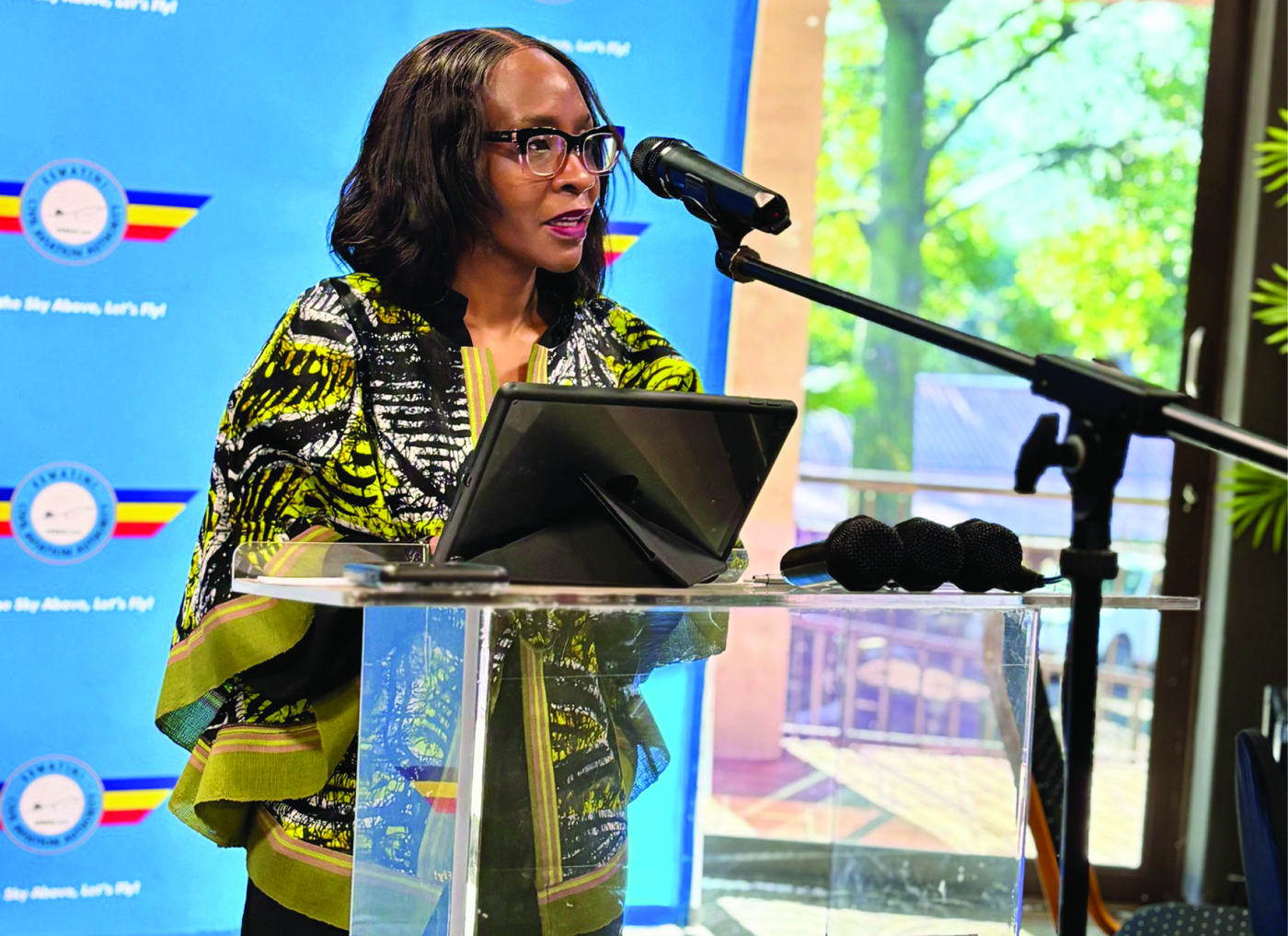
Eswatini Civil Aviation Authority (ESWACAA) and SADC Aviation Safety Organisation (SASO) hosted the International Civil Aviation Organization regional awareness workshop on Aircraft Classification Rating/Pavement Classification Rating (ACR/PCR) at Happy Valley Hotel yesterday.
The four-day workshop convened representatives from 12 African countries: Angola, Eswatini, Kenya, Lesotho, Mozambique, Namibia, Seychelles, South Africa, Tanzania, Uganda, Zambia and Zimbabwe.
The workshop aims to discuss implementation and advance understanding of the new standards for the ACR/PCR system and strengthen knowledge-sharing among aviation professionals across the region.
International Civil Aviation Organization (ICAO) Representative Executive Director Elisha Omuya said modern and efficient air infrastructure remained critical to boosting trade, connectivity and economic growth across the continent.
He highlighted the importance of adopting harmonised standards. He emphasised that air transport was critical for regional integration and global connectivity.
As air traffic continues in Africa, he said, the demand placed on the infrastructure was growing correspondingly. Therefore, he said it was imperative to ensure that runways, pathways and aprons were properly evaluated and maintained with internationally harmonised standards.
He said the transition from the traditional ACR/PCR system to the modern ACR/PCR methodology as introduced by ICAO represented a significant advancement in how we assess aircraft compatibility with airport permits.
He stated that this new methodology offered flexibility and a more robust scientific basis for decision making regarding pavement strength and aircraft operations.
“However, it also represents challenges such as the need for technical understanding, capacity building, data availability and coordinated implementation across states,” said Omuya.
ICAO standards rely on common rules to ensure seamless operations across countries. They also make it possible for engineers, pilots, aircraft and traffic controllers to work together safely and effectively regardless of where they operate from.
Eswatini Civil Aviation Authority (ESWACAA) Director General Andile Mtetwa-Amaeshi said the workshop focused on strengthening aviation safety through improved pavement evaluation practices that support safe aircraft operations and sustainable airport infrastructure management.
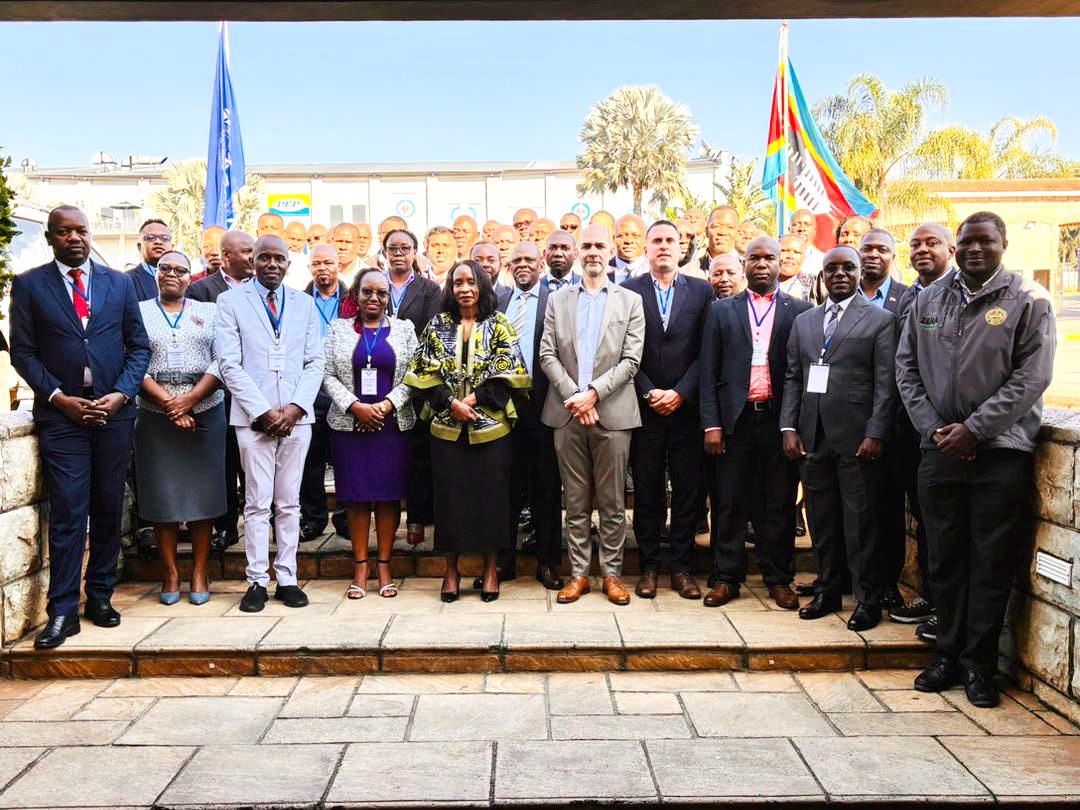
Representing the chief executive officer, she said the regional collaboration reflected a shared commitment to enhancing aviation standards and promoting safer skies across Africa.
She appreciated the ICAO regional office for entrusting the country with the privilege of hosting the capacity-building event and SASO for their steadfast support and technical guidance.
READ MORE | Over 560kg of unsafe food destroyed
She said the standards were not entirely new, but many countries including Eswatini had faced many challenges in fully implementing them.
She added that developing standards alone was not enough because their value lies in practical application and enforcement.
She said the ACR-PCR system adopted by ICAO to replace the former ACN/PCN method represented a significant paradigm shift in the assessment of pavement strength and aircraft compatibility at aerodromes.
“To our facilitators from Airbus, we are truly grateful that you have taken time from your demanding schedules to be with us and share your valuable technical expertise. Your presence significantly enriches this workshop.
“While the mandatory implementation date was November 28, 2024, progress across SADC member States has varied. It is, therefore, essential that we, as a region, accelerate our coordinated efforts to ensure the consistent and accurate application of the ACR-PCR system in full compliance with ICAO standards.”