



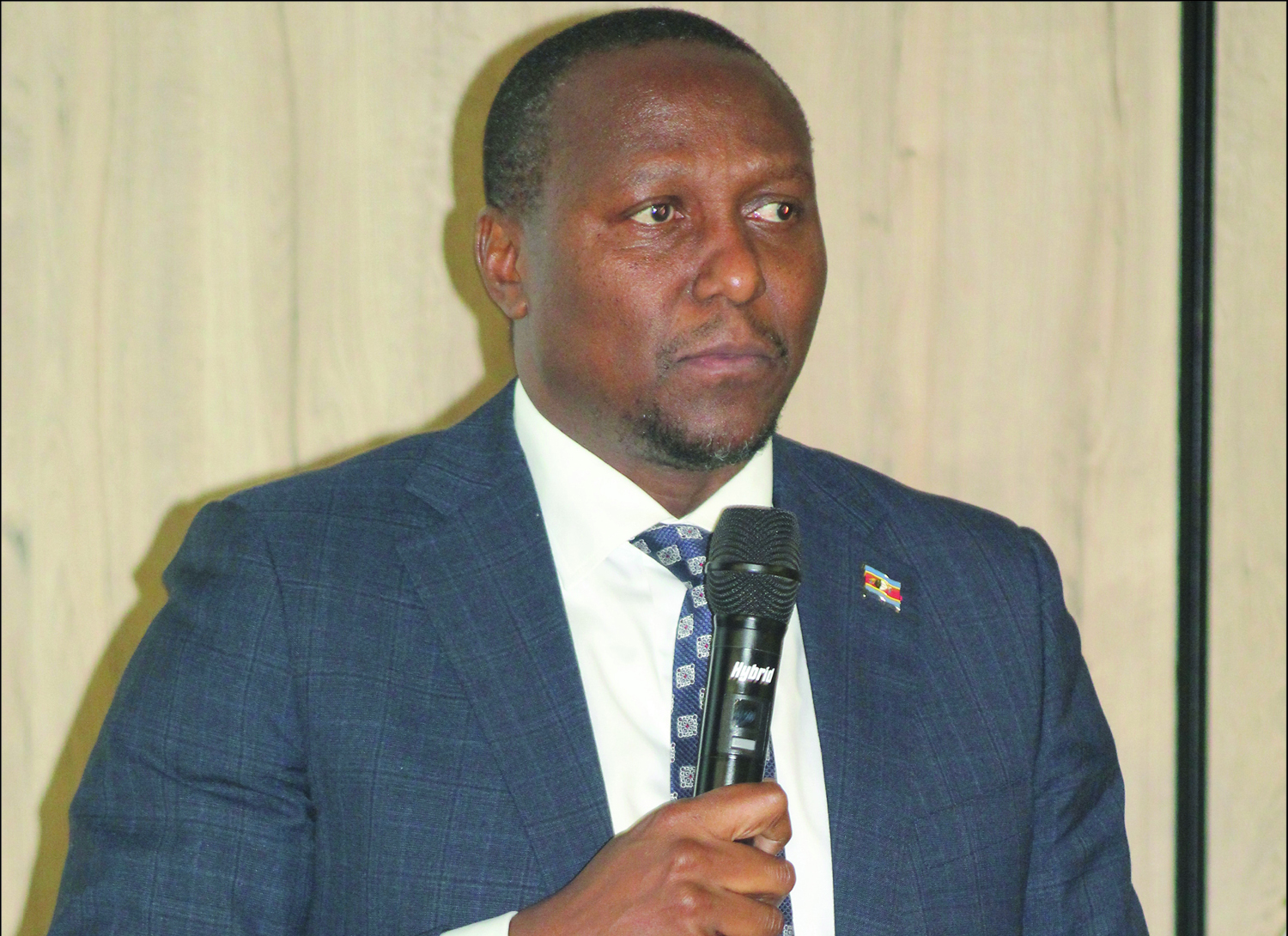
Prime Minister Russell Mmiso Dlamini has challenged leaders to put integrity, truth and the national interest ahead of personal gain.
He warned that decisions influenced by money and personal benefits undermined responsible leadership.
Dlamini said leaders must lead by example and refuse to compromise their values.
The premier cautioned that people sometimes made decisions not on the basis of truth or integrity, but according to financial inducements, lobbying and what they stood to gain personally. He called for a shift towards principled decision-making, urging leaders and citizens to consider what was truthful and beneficial to the country rather than pursuing individual interests.
“Be the change that you want to see. If you are a leader, make sure that you eat last and do not compromise with your integrity and with the truth. Let us base our decisions on integrity, what is the truth and on what is good for our country.
“What we have seen is people vote, they side not with the truth and not with integrity, but they make their decisions based on how much they have been paid, who has lobbied them, what is in it for them and more,” Dlamini said.
AFRICANS MUST EMBRACE HOME-GROWN GOVERNANCE SYSTEMS
Professor Delanyo Adadevoh called for African countries to develop governance systems that reflected their own realities.
He cited the country’s stability and home-grown approach as an experience from which the continent could learn.
Adadevoh said the country had demonstrated that African countries could develop systems suited to their circumstances, while acknowledging that no governance model was perfect.
He said the country’s record of relative peace and improving infrastructure during his visits pointed to the value of stability.
Adadevoh urged the country to share its experiences, including the strengths and shortcomings of its governance system, with other African leaders.
The professor also encouraged African leaders not to be afraid of designing governance systems that were more effective, relevant and acceptable to their people rather than relying exclusively on models developed elsewhere. His remarks placed renewed focus on African-led governance innovation, with the country’s experience offering an opportunity for dialogue on stability, institutional development and locally grounded approaches to leadership.
“You can proudly say ‘Made in Eswatini’. I would say that is something to hold on to. We have done it, you can do it. I think that is the message we should pass on,” Adadevoh said.
His response followed Senator Tony Sibandze’s call for Africa to promote home-grown governance approaches and reduce its reliance on externally developed democratic systems.
The senator had described the country’s monarchical governance system as a distinctive African model and asked how other countries could learn from the kingdom’s experience.
Adadevoh said the exchange should not be viewed as a one-way process. He noted that while Eswatini had lessons to share, it could also learn from the experiences of other African countries.
Turning to the question of raising the aspirations of Emaswati, the professor identified greater exposure to successful models as an important consideration.
He emphasised the need for aggressive exposure to best models, suggesting that learning from effective practices could help broaden people’s ambitions and inform the development of more relevant systems.
AFRICAN LEADERS CHALLENGED TO PUT CITIZENS FIRST
Senator Tony Sibandze has challenged African leaders to put the interests of citizens ahead of personal gain.
He called for leadership rooted in selflessness, accountability and the fight against corruption.
Addressing a leadership meeting, Sibandze said corruption was not merely an Eswatini problem, but a continental challenge that required leaders to rethink their responsibilities towards the people they served.
He spoke on the sidelines of the Kingdom Leadership and National Transformation Seminar attended by parliamentarians and principal secretaries at the Happy Valley Hotel.
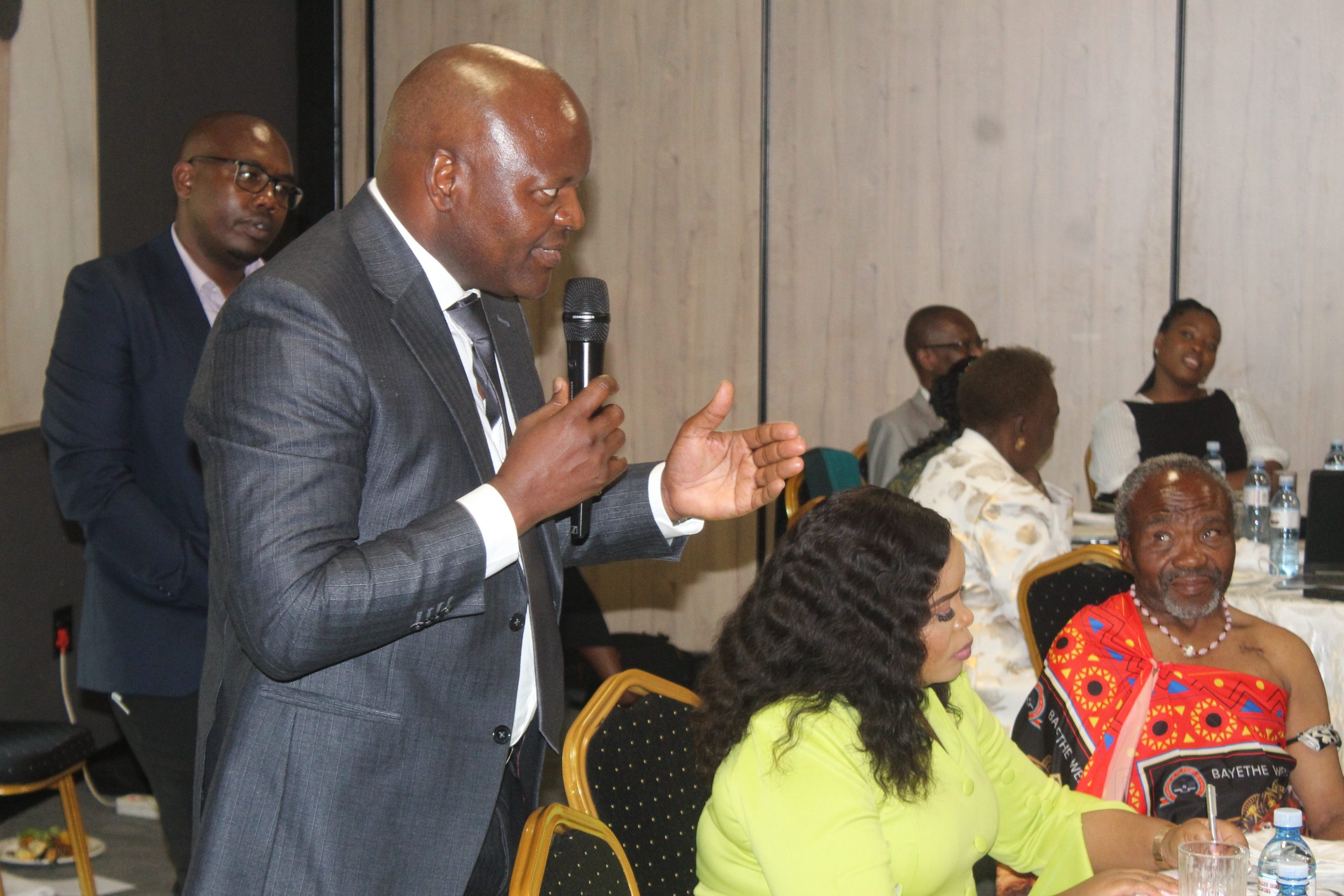
Drawing inspiration from author Simon Sinek’s book ‘Leaders Eat Last’, the senator questioned how African leaders could demonstrate genuine commitment to serving their people. He argued that leadership derived its meaning from the people who entrusted leaders with that responsibility. He said the continent faced a huge problem of corruption and posed a question on how leaders could ensure that they ‘eat last’ and put the needs of the people before their own.
“You cannot be a leader by yourself. You lead because there is a floor behind you because leadership is inseparable from the people being served,” said Sibandze.
He also challenged African leaders and intellectuals to promote governance systems developed within the continent.
The senator said Africa should draw lessons from its own political and cultural experiences rather than depend exclusively on Western models. He described the country’s monarchical system of governance as a distinctive African approach to democracy and said Eswatini had an opportunity to share its governance experience with the rest of the continent.
Sibandze said he had gained a deeper understanding of the country’s governance system during a Sibaya session after Prime Minister Russell Mmiso Dlamini explained how it operates.
Sibandze described himself as both Liswati and a Pan-Africanist, saying Africa needed to find ways of adapting and strengthening its home-grown governance approaches.
He asked how the continent could learn from Eswatini’s experience and promote its own systems while reducing its reliance on externally developed models.
The senator’s remarks placed the spotlight on two issues central to Africa’s leadership debate; the responsibility of those in power to serve citizens and the importance of developing governance approaches informed by African realities.
He said guest speaker Professor Delanyo Adadevoh’s presentation had been thought-provoking and expressed confidence that its lessons could help participants become better leaders and individuals.