



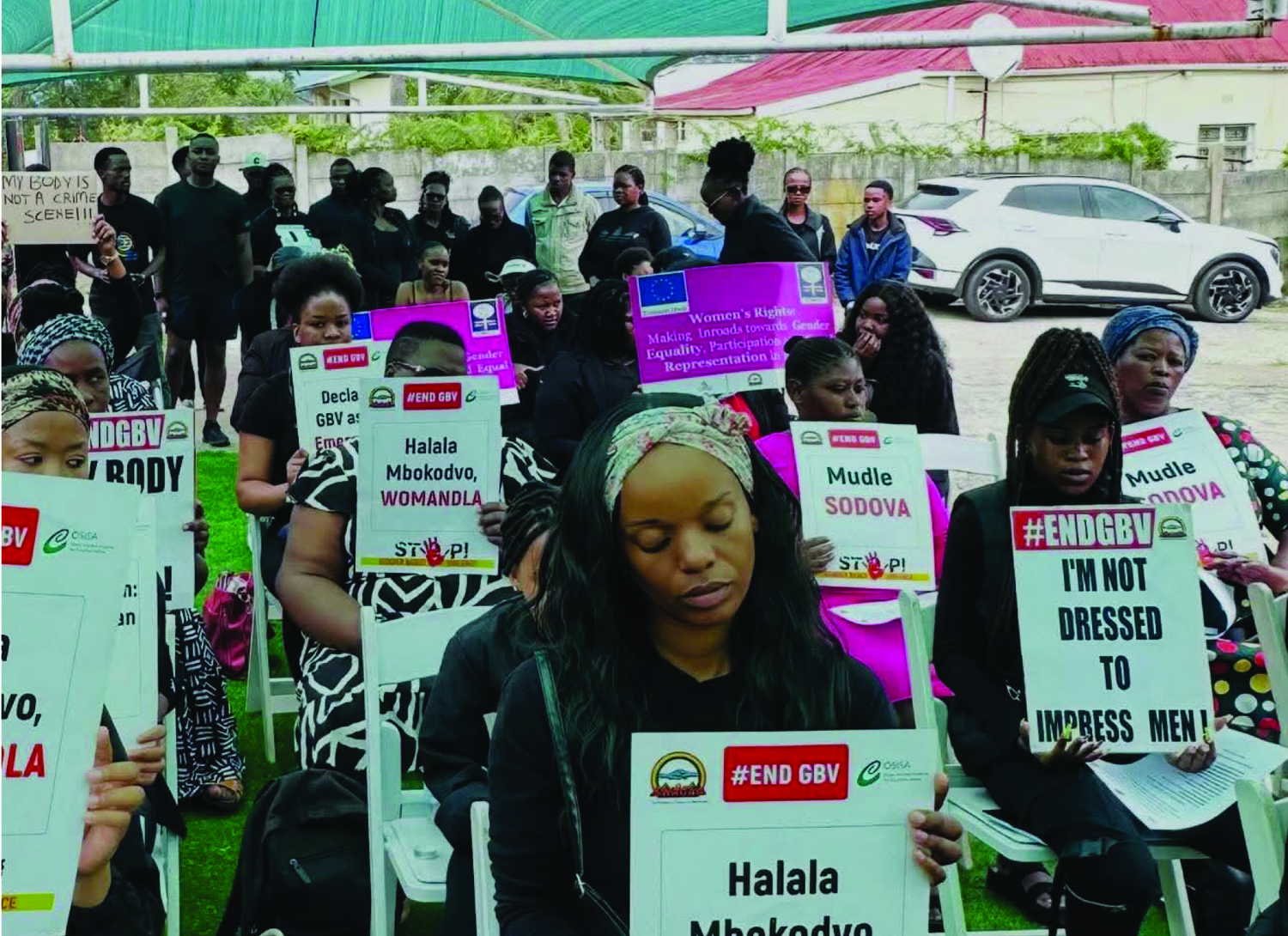
COMMUNITIES AT THE CENTRE OF ENDING GENDER-BASED VIOLENCE
One Billion Rising (OBR) Eswatini has launched a comprehensive review of its community-driven strategies to assess the impact of grassroots efforts to combat gender-based violence (GBV) over the past three years.
The review aims to evaluate the effectiveness, sustainability and long-term impact of locally led initiatives that have empowered communities to take ownership of preventing and responding to violence against women and girls.
The exercise will provide an opportunity to reflect on achievements, identify lessons learnt and strengthen approaches that place communities at the forefront of creating safer and more inclusive environments. It also seeks to ensure that successful local interventions inform national strategies for addressing GBV.
BUILDING SOLUTIONS FROM THE GROUND UP
GBV remains one of the country’s most significant human rights and development challenges. Although the kingdom has adopted progressive laws and policies to promote gender equality, implementation has not always kept pace with policy commitments.
The Constitution of Eswatini, the National Gender Policy, the Sexual Offences and Domestic Violence Act of 2018, as well as the Child Protection and Welfare Act provide a strong legal framework for protecting the rights of women and girls. However, delays in implementing these laws continue to limit access to justice and protection for many survivors.
One Billion Rising Eswatini believes that sustainable solutions must originate within communities. Rather than relying solely on externally designed interventions, the organisation promotes community ownership, recognising that local people understand their challenges and are best placed to develop practical and culturally relevant responses.
STRENGTHENING COMMUNITY LEADERSHIP
Over the past three years, One Billion Rising Eswatini has established 42 community circles across the country. These circles have become important platforms where women, men, young people, traditional leaders, faith leaders and other community members work together to identify the root causes of GBV and develop solutions that respond to local needs.
The community circles have strengthened awareness on gender equality, encouraged open dialogue on harmful social norms and created safe spaces where survivors can seek support, information and referrals.
They have also promoted collective responsibility by encouraging communities to become active participants in preventing violence rather than passive observers.
The current review will assess how these community-led initiatives have influenced behaviour change, strengthened local leadership and contributed to reducing violence within communities.
INVESTING IN SUSTAINABLE COMMUNITY ACTION
One of the key discussions emerging from the review focuses on ensuring that community initiatives remain active beyond donor-funded projects.
As One Billion Rising, we strongly believe in grassroots leadership. However, it is equally critical that we invest intentionally in building the capacity of communities to sustain and lead their awareness programmes and projects independently.
The key question is: how do we resource these projects sustainably and independently? This was discussed extensively by communities themselves. We must prepare and equip our communities with practical tools to lead local fundraising efforts in partnership with their communities.
This means shifting from dependency on external funding to community-driven resource mobilisation, where ownership and sustainability are rooted locally.
BRIDGING THE GAP BETWEEN POLICY AND PRACTICE
The review comes at a time when civil society organisations continue to call for faster implementation of gender-responsive laws and policies.
While the country has adopted important legal reforms, several critical legislative processes remain incomplete. These include the modernisation of outdated and discriminatory laws such as the Marriage Act, 1964, Administration of Estates Act, 1902, Citizenship Act, 1992, and other outdated legislation.
Implementation of guidelines that fully operationalise both the Sexual Offences and Domestic Violence Act and the Child Protection and Welfare Act is also needed. Without effective implementation, these progressive laws cannot adequately protect women and girls or provide timely access to justice and essential support services.
ADDRESSING SEXUAL AND REPRODUCTIVE HEALTH RIGHTS
One Billion Rising Eswatini recognises that ending GBV also requires greater attention to sexual and reproductive health and rights.
This was revealed by a recent study done by One Billion Rising Eswatini and Journey of Hope on the complex SRHR triad. Women and girls, including those with disabilities, continue to face sexual violence, often perpetrated by individuals they know, including relatives, guardians, teachers and trusted community members.
Harmful gender norms, unequal power relations and limited decision-making authority continue to undermine women’s ability to make informed choices regarding their sexual and reproductive health.
Communities have further identified challenges within the health system that affect women and girls, including shortages of essential medicines, inadequate maternal and neonatal healthcare, limited access to specialised counselling and psychological services, as well as increasing cases of cervical cancer, particularly among women living with HIV.
Improving access to quality healthcare, clean water, sanitation and reproductive health information remains essential for protecting the wellbeing and dignity of women and girls.
COMMUNITIES INFORMING NATIONAL ACTION
Through its network of community circles, One Billion Rising Eswatini continues to strengthen partnerships with government institutions, civil society organisations, development partners and traditional leadership structures.
The organisation believes that community experiences and locally generated solutions should inform national policy implementation. By ensuring that grassroots voices shape national responses, interventions become more relevant, inclusive and sustainable.
The review process will generate evidence to strengthen future programming, reinforce community leadership and identify innovative approaches to local resource mobilisation. Ultimately, the goal is to ensure that communities have both the capacity and the resources to sustain initiatives that prevent violence and promote gender equality.
A SHARED RESPONSIBILITY
Ending GBV requires more than strong legislation. It demands collective action, political commitment and meaningful investment in community leadership.
One Billion Rising Eswatini remains committed to supporting communities to become agents of change by equipping them with the knowledge, skills and resources needed to challenge harmful norms, promote accountability and protect the rights of women and girls.
By strengthening community ownership and ensuring that local solutions drive national progress, the movement envisions a future where every woman and girl can live free from violence, discrimination and fear, and where gender equality is not only guaranteed in law but experienced in everyday life.