



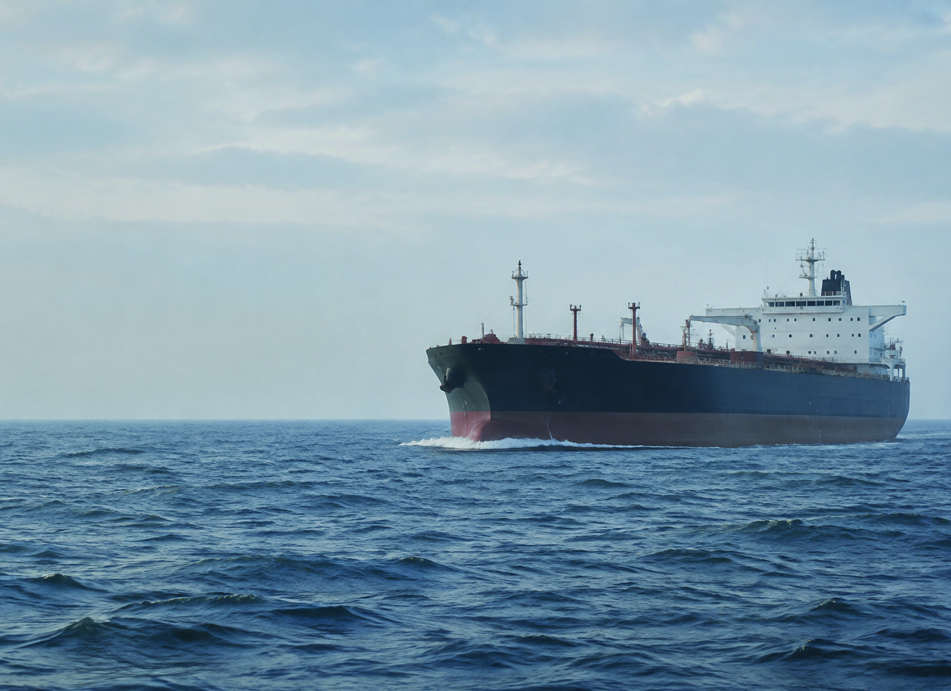
Oil tankers have been transporting sanctioned Iranian petroleum under the kingdom’s name using fraudulent ship registrations issued by a foreign company that government rejected, according to the United States Treasury.
The Singapore-based company, established in 2023, allegedly continued registering vessels under the country’s flag despite lacking government authorisation.
Washington has now imposed sanctions on the company and its operators for helping Iran circumvent international restrictions on its oil trade.
The revelations come as the kingdom moves to establish its own maritime authority and ship registration system to, according to ministry of Public Works and Transport Principal Secretary Thulani Mkhaliphi, prevent the unauthorised use of its national flag while exploring opportunities to generate revenue from international shipping.
In a statement issued this week, the US Department of the Treasury identified Eswatini Maritime Affairs and International Ship Registry PTE. Ltd. as part of an international network accused of issuing fraudulent ship registrations and maritime certifications to vessels transporting Iranian petroleum.
The company was established in Singapore in 2023 by Indian national Suniel Kumar Sharma, who, together with his wife, Jaspreet Preeti Shahid, allegedly operated a network of unauthorised maritime registries claiming to represent several countries.
According to the US Treasury, the company continued registering vessels under the country’s flag despite government having publicly rejected its operations.
The kingdom raised concerns about fraudulent ship registrations with the International Maritime Organisation in 2024, according to Mkhaliphi, who, in an interview with this newspaper in 2024, said the country had no operational ship registry and had never authorised any company or individual to register vessels on its behalf.
Among the vessels identified by the US government was PING SHUN, an oil tanker with International Maritime Organisation identification number 9231901, which had reportedly transported multiple shipments of Iranian petroleum and was already subject to US sanctions. According to the US Treasury, Sharma and Shahid’s activities extended well beyond the kingdom. The couple allegedly began impersonating maritime registration authorities as early as 2014, initially targeting Dominica in the Caribbean. Over the following years, their operations expanded to several countries, including Guyana, Aruba, Mali, Mozambique, Malawi, Nicaragua, Laos and Timor-Leste.
The Treasury said the network frequently purchased internet domains and established websites that appeared to represent legitimate government maritime authorities. Through these websites, the operators allegedly offered ship registration, seafarer certification and vessel classification services without the authorisation of the countries they claimed to represent. By issuing fraudulent documents, the network allegedly enabled vessels associated with Iran’s shadow fleet to operate under flags they were not legally entitled to use.
The shadow fleet refers to vessels involved in transporting oil while using methods intended to conceal ownership, movements or other information and evade sanctions or regulatory scrutiny. The Treasury said some vessels supported by the network were involved in transporting petroleum on behalf of the Iranian military and its proxies.
The sanctions imposed form part of Operation Economic Outcast, a US initiative launched in August to disrupt networks accused of supporting Iran’s petroleum exports and other sanctioned economic activities. The Treasury designated Sharma for operating in the petroleum sector of the Iranian economy and Shahid for providing material support to him.
The Eswatini-named company was separately sanctioned because it was owned or controlled by, or had acted or purported to act on behalf of, Shahid.
Several other companies associated with the couple were also sanctioned. The measures generally block property and interests in property belonging to designated individuals and entities within the US jurisdiction and prohibit transactions involving them by US persons unless authorised or exempted.
Financial institutions and other businesses outside the United States may also face sanctions exposure through certain dealings with designated parties.
The implications extend beyond sanctions evasion. According to the Treasury, vessels operating under fraudulent flags may lack valid protection and indemnity insurance, which ordinarily covers certain liabilities arising from maritime accidents, including pollution and damage to third parties.
An accident involving such a vessel could, therefore, expose coastal countries to substantial environmental and economic losses without adequate insurance protection. The revelations come against the backdrop of an initiative by the ministry of public works and transport to establish a maritime authority and ship registry that would give the country greater control over vessels operating under its national flag.
Last month, Mkhaliphi shared that a government delegation had travelled to Liberia to study how the West African country manages one of the world’s major international ship registration systems.
He said the visit formed part of the State’s efforts to understand the legal, administrative and regulatory requirements for participating in the maritime industry.
“Landlocked countries have the right to participate in marine transportation for the blue economy,” the PS said.
The blue economy refers to economic activities associated with oceans and waterways, including shipping, maritime transport and related services.
Mkhaliphi explained that government was examining opportunities in the sector, including how countries without coastlines could benefit from vessel registration and other maritime activities.
He said Liberia had been selected because of its extensive international ship registry, which allows foreign-owned ves
The PS added that government intended to visit landlocked countries to study how they developed the legal and institutional arrangements necessary to participate in international maritime transport.