



SOCCER – The group stage of the 2026 FIFA World Cup has been a festival of goals, surprises and unforgettable moments.
Across the vast football landscape of North America, dreams have been born, shattered and revived in the space of 90 minutes. Yet as the dust begins to settle on the opening phase of the tournament, a familiar group of heavyweights has emerged from the crowd.
While several nations have produced encouraging performances, five teams have consistently shown the quality, depth and mentality required to navigate football’s most unforgiving competition. France, England, Portugal, Brazil and Argentina remain the strongest candidates to lift the famous golden trophy.
Like elite marathon runners conserving energy before the final surge, these nations have displayed enough to convince observers that their best football may still lie ahead.
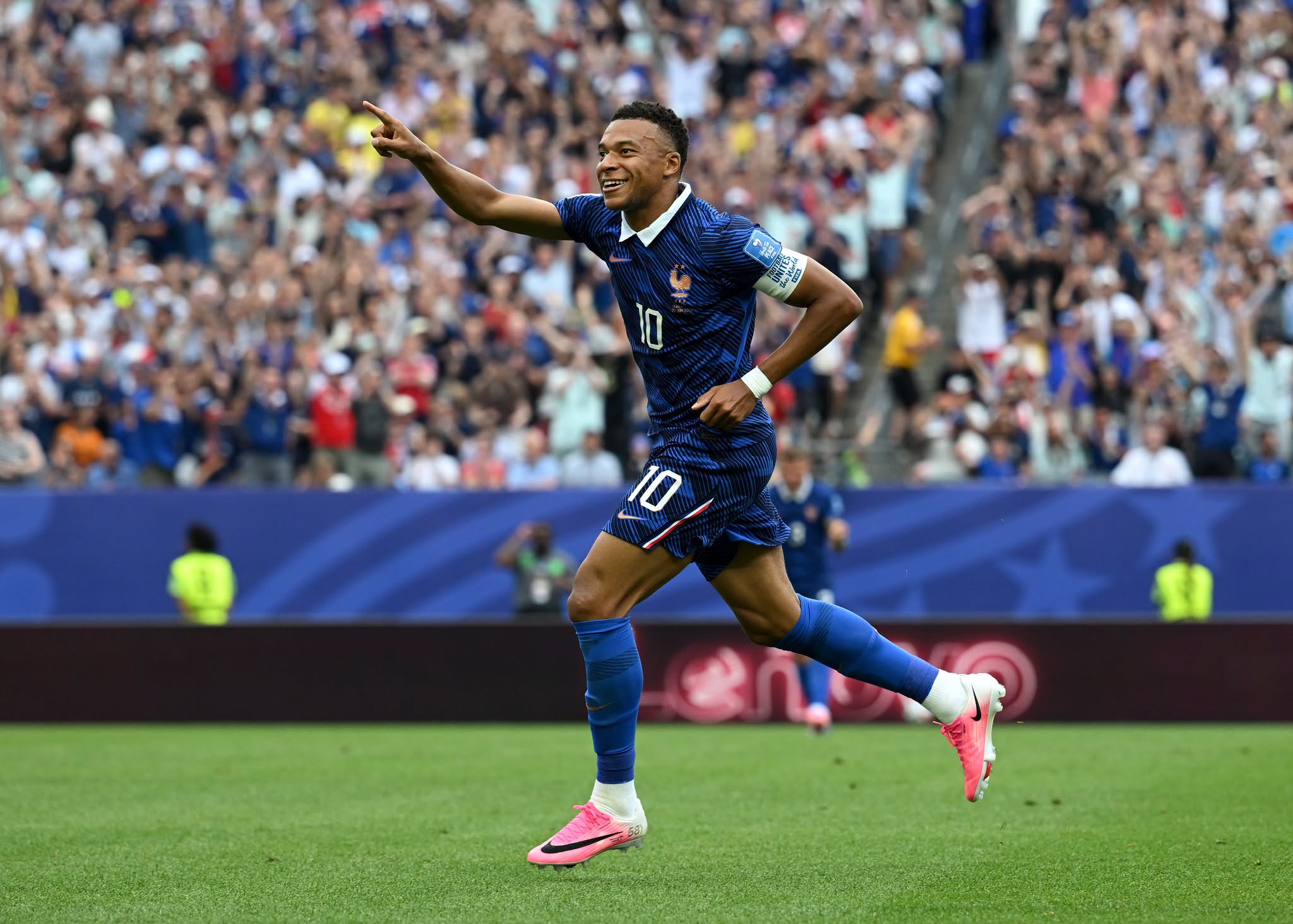
France continue to set the standard. Their opening 3-1 victory over Senegal immediately established them among the tournament favourites.
Kylian Mbappé was once again at the centre of everything good, scoring twice and becoming France’s all-time leading scorer in the process. The French captain has looked unstoppable whenever he attacks defenders, combining blistering pace with ruthless finishing.
What makes France particularly dangerous is the balance throughout the squad. They possess attacking flair, midfield control and defensive stability in equal measure. Even when Senegal created problems during the opening encounter, France remained composed and eventually overwhelmed their opponents through superior quality.
Their qualification from Group I alongside Norway reinforced the impression that Didier Deschamps’ side possess both the experience and maturity needed to survive the knockout rounds. Unlike many teams that rely heavily on one or two stars, France can hurt opponents from almost every area of the pitch.
England have also strengthened their position among the leading contenders. Their thrilling 4-2 victory over Croatia in the opening round showcased both their attacking quality and depth.
Harry Kane once again demonstrated why he remains one of the most reliable goalscorers in international football. More importantly, England have looked like a team rather than a collection of talented individuals. Their midfield has controlled matches effectively while their attacking players have consistently created opportunities.
The Three Lions appear more tactically flexible than previous England teams. They can dominate possession when required, but they are equally comfortable attacking quickly in transition. Tournament football often rewards teams that can adapt to different situations and England have shown encouraging signs in that regard.
Their challenge moving forward will be maintaining defensive concentration against stronger opposition. Nevertheless, they possess enough quality throughout the squad to trouble any team remaining in the competition.
Portugal’s World Cup campaign began with uncertainty after a disappointing 1-1 draw against DR Congo. Despite controlling possession for long periods and taking the lead through João Neves, the Europeans struggled to convert their dominance into goals.
Critics questioned whether Portugal had become too dependent on possession football without sufficient cutting edge in attack. However, the response was emphatic.
Portugal exploded into life in their second group match, dismantling Uzbekistan 5-0 in one of the most convincing performances of the tournament. The result reminded everyone why Portugal remain one of the most talented teams in the competition.
The midfield continues to be their greatest strength. João Neves has emerged as one of the breakout stars of the tournament, while Portugal’s ability to control matches through possession and movement remains among the best in North America.
Questions remain regarding their finishing, but Portugal have steadily grown stronger as the tournament has progressed. Their blend of technical quality and tournament experience makes them genuine contenders.
Brazil’s journey through the group stage has been far from straightforward, yet they remain among the favourites. Their opening 1-1 draw against Morocco exposed defensive vulnerabilities that many did not expect from a side coached by Carlo Ancelotti.
For long periods Morocco matched the South Americans in intensity, organisation and quality. Vinícius Júnior rescued Brazil with a brilliant equaliser, but the warning signs were evident.
Rather than panic, Brazil responded like champions. They gradually improved and eventually secured top spot in Group C with seven points. Their final group match produced one of the standout performances of the tournament as they defeated Scotland 3-0.
Vinícius once again stole the headlines with two goals, taking his tally to four for the tournament. Matheus Cunha added the third as Brazil delivered a statement victory.
What separates Brazil from most teams is their ability to produce moments of magic even when they are not playing particularly well. Few nations possess such an abundance of technical talent. Ancelotti’s calm leadership has also helped steady the ship whenever difficulties have emerged.
If Brazil can tighten their defensive structure, they possess all the necessary ingredients to challenge for a sixth World Cup title.
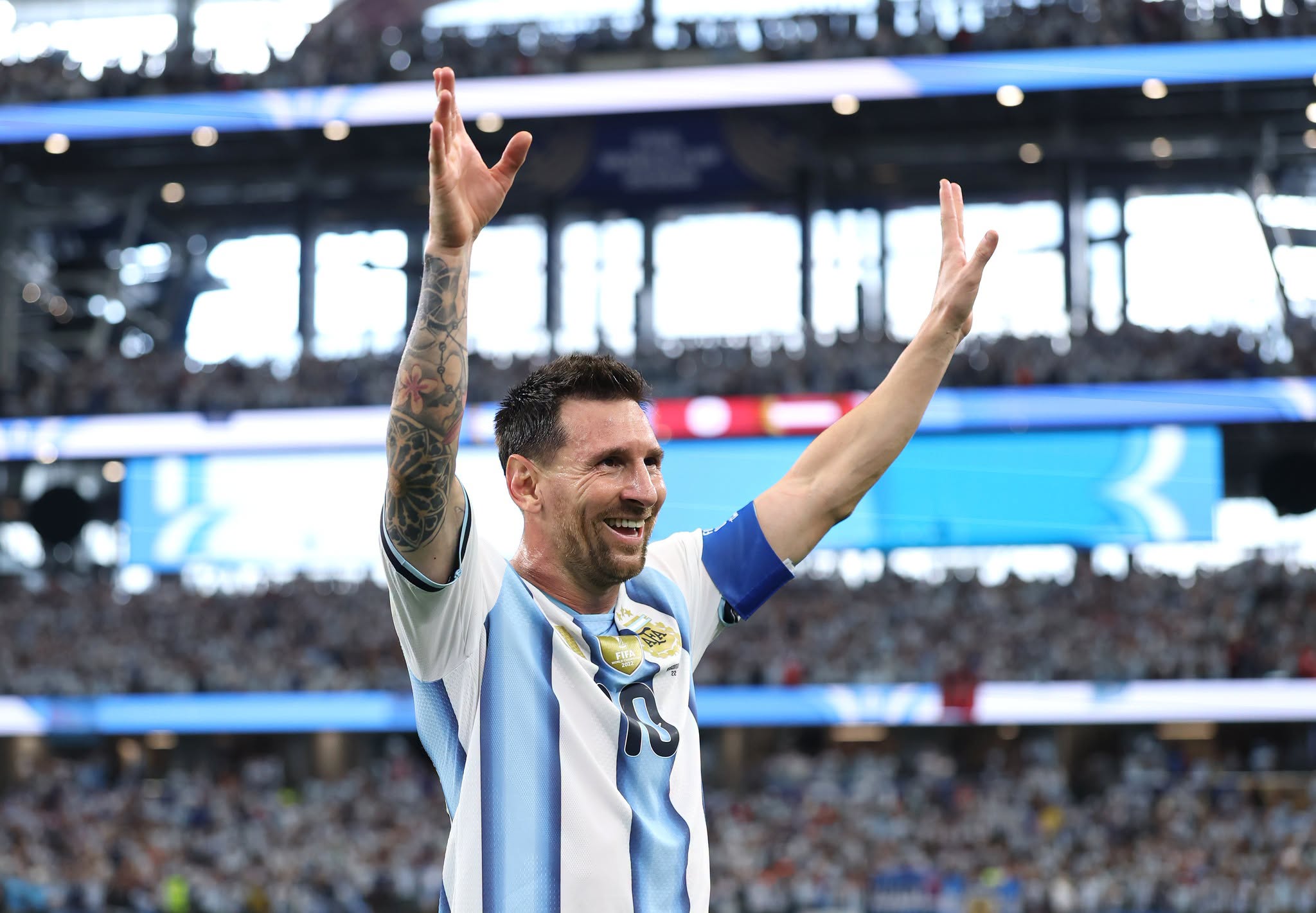
Defending champions Argentina remain as dangerous as ever. Their campaign began with a convincing 3-0 victory over Algeria, inspired by a Lionel Messi hat-trick that reminded the football world why he remains one of the greatest players to ever grace the game.
While age may have reduced some of his physical explosiveness, Messi’s intelligence remains unmatched. He continues to dictate matches through vision, positioning and decision-making.
More importantly for Argentina, qualification from Group J was secured with minimal drama. The reigning champions have retained the togetherness and collective belief that carried them to glory in Qatar four years ago.
Argentina’s strength lies not only in individual brilliance but also in their unity. Every player understands their role and contributes to the collective effort. That sense of purpose can be a powerful weapon in knockout football.
Should Messi continue producing moments of inspiration, Argentina will believe they can become the first nation since Brazil in 1962 to successfully defend the World Cup.
Beyond the traditional powerhouses, African football has once again demonstrated its growing strength on the global stage.
Morocco have been one of the most impressive teams in the competition. Their 1-1 draw against Brazil was no accident. The Atlas Lions matched the five-time world champions in every department and at times looked the superior side.
Their quality became even more evident during a thrilling 4-2 victory over Haiti. Goals from Achraf Hakimi, Ismael Saibari, Soufiane Rahimi and Yassine secured qualification to the knockout stages.
Saibari has emerged as one of Africa’s standout performers, scoring in all three group matches. Morocco’s organisation, discipline and attacking quality make them genuine dark horses capable of troubling any opponent.
Senegal may have suffered defeat against France, but their performances deserve recognition. They pushed the French throughout significant periods of the match and showed enough quality to suggest they remain among Africa’s strongest representatives.
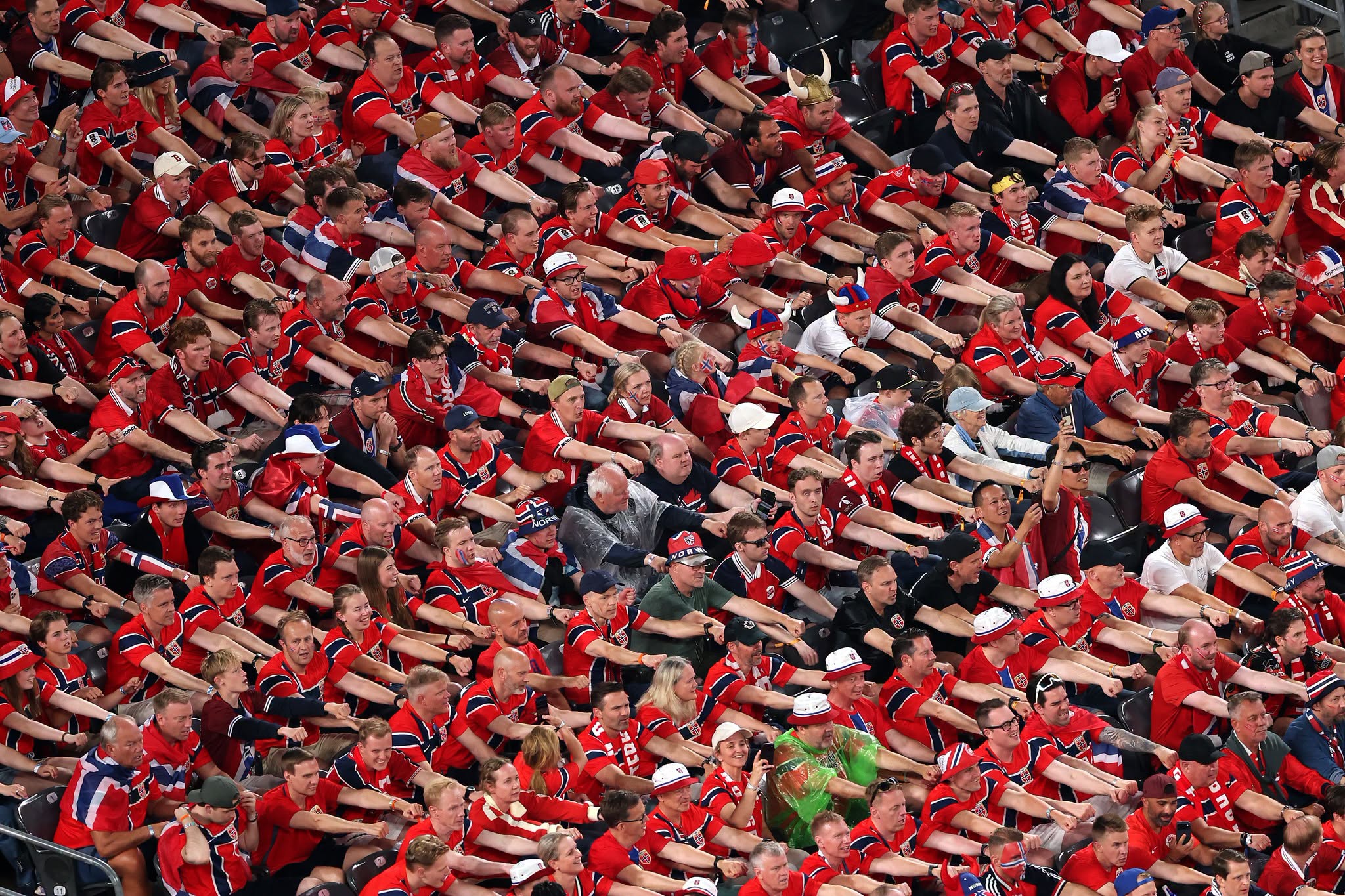
Meanwhile, Norway have quietly become one of the tournament’s surprise packages. Their dramatic 3-2 victory over Senegal showcased the quality of Erling Haaland, who scored twice in a crucial encounter. Norway’s qualification alongside France demonstrated that they possess the attacking firepower to trouble elite opposition.
As the knockout rounds approach, the margin for error disappears. Every misplaced pass, missed opportunity and defensive lapse becomes magnified. History teaches us that talent alone is not enough to win a World Cup. Teams require resilience, adaptability and the ability to deliver under immense pressure.
Based on everything witnessed during the group stage, France, England, Portugal, Brazil and Argentina possess those qualities in abundance.
France have the depth. England have the balance. Portugal have the technical quality. Brazil have the flair. Argentina have the champion’s mentality.
Many nations remain in the hunt, but the strongest roads to glory still appear to run through these five footballing giants. As the World Cup enters its decisive phase, they stand like towering skyscrapers above the tournament landscape, each determined to be the last one standing when the final whistle blows on football’s greatest show.