



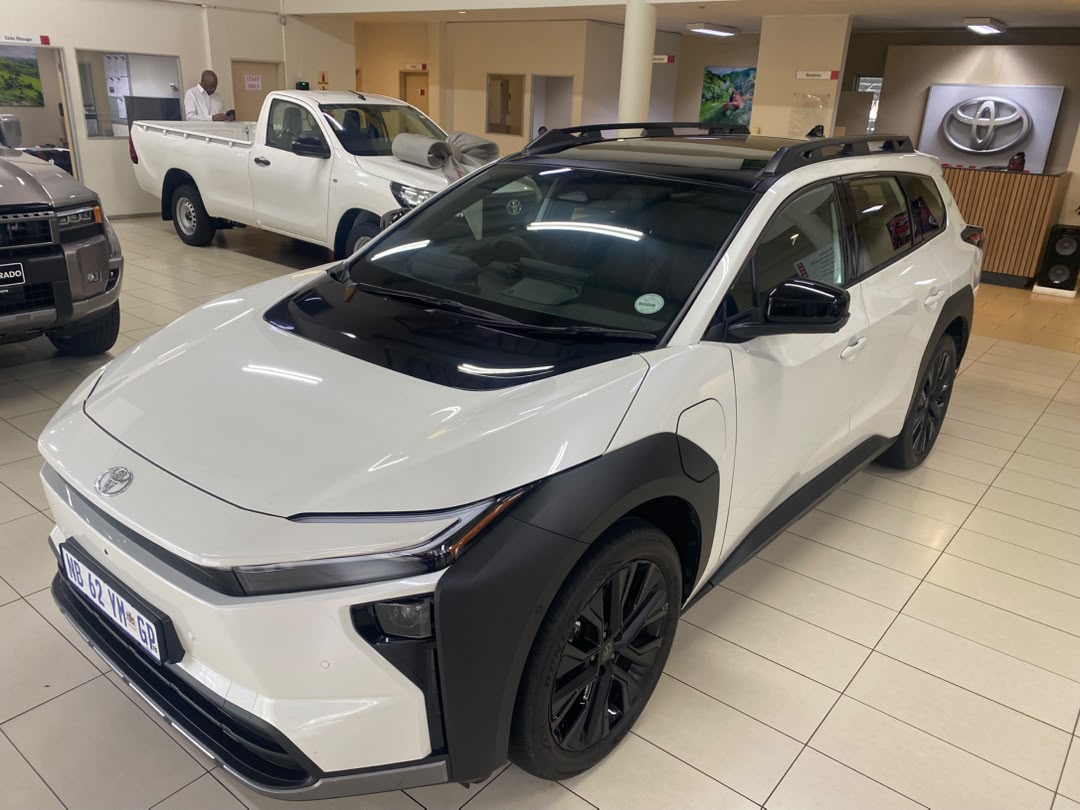
The future of motoring is getting closer to home as Toyota introduces its all-electric bZ4X SUV to the local market, bringing a new dimension to the country’s automotive industry and offering motorists an opportunity to experience electric mobility.
Now available at NTT Toyota, the bZ4X is Toyota’s first dedicated battery electric SUV and represents a shift away from conventional petrol and diesel-powered vehicles. The vehicle is currently available for viewing at NTT Eswatini, with the dealership positioning it as an introduction to a technology that is gradually gaining traction across the world.
During a viewing at the Mbabane dealership, Sales Manager Lindelo Nsingo described the bZ4X as the first vehicle of its kind to enter the local market, with prices starting at approximately E1.18 million.
One of the considerations often associated with electric vehicles is charging convenience, particularly in markets where public charging infrastructure is still developing. However, NTT has taken steps to address this by installing charging stations at its dealerships across the country.
Nsingo explained that customers purchasing the vehicle would also have the option of installing charging stations at their homes. The dealership can recommend suitable suppliers to assist owners with installations, allowing them to charge their vehicles at their convenience rather than depending entirely on dealership operating hours.
What’s under the bonnet?
Unlike conventional SUVs that rely on internal combustion engines, the bZ4X operates entirely on electricity, using a lithium-ion battery to power its electric motors.
The locally advertised model features a 73.1 kWh battery and an estimated driving range of approximately 450 to 480 kilometres on a full charge, depending on driving conditions and usage.
NTT’s published specifications list maximum power of 255 kW and torque of 439 Nm, delivering immediate power response without the conventional engine noise associated with petrol-powered vehicles. Its all-wheel-drive system, known as E-Four, provides additional traction and stability, making it suitable for different driving conditions.
The SUV can accommodate five passengers and measures approximately 4 690 mm in length, with a 2 850 mm wheelbase. Its modern exterior design is complemented by a technology-focused cabin featuring a 12.3-inch multimedia touchscreen, panoramic roof, JBL sound system and head-up display.
Safety is also a consideration, with eight airbags and Toyota’s advanced safety technology incorporated into the package.
Another notable advantage of electric motoring is regenerative braking, a system that recovers some of the energy generated during braking and feeds it back into the battery, helping improve efficiency.
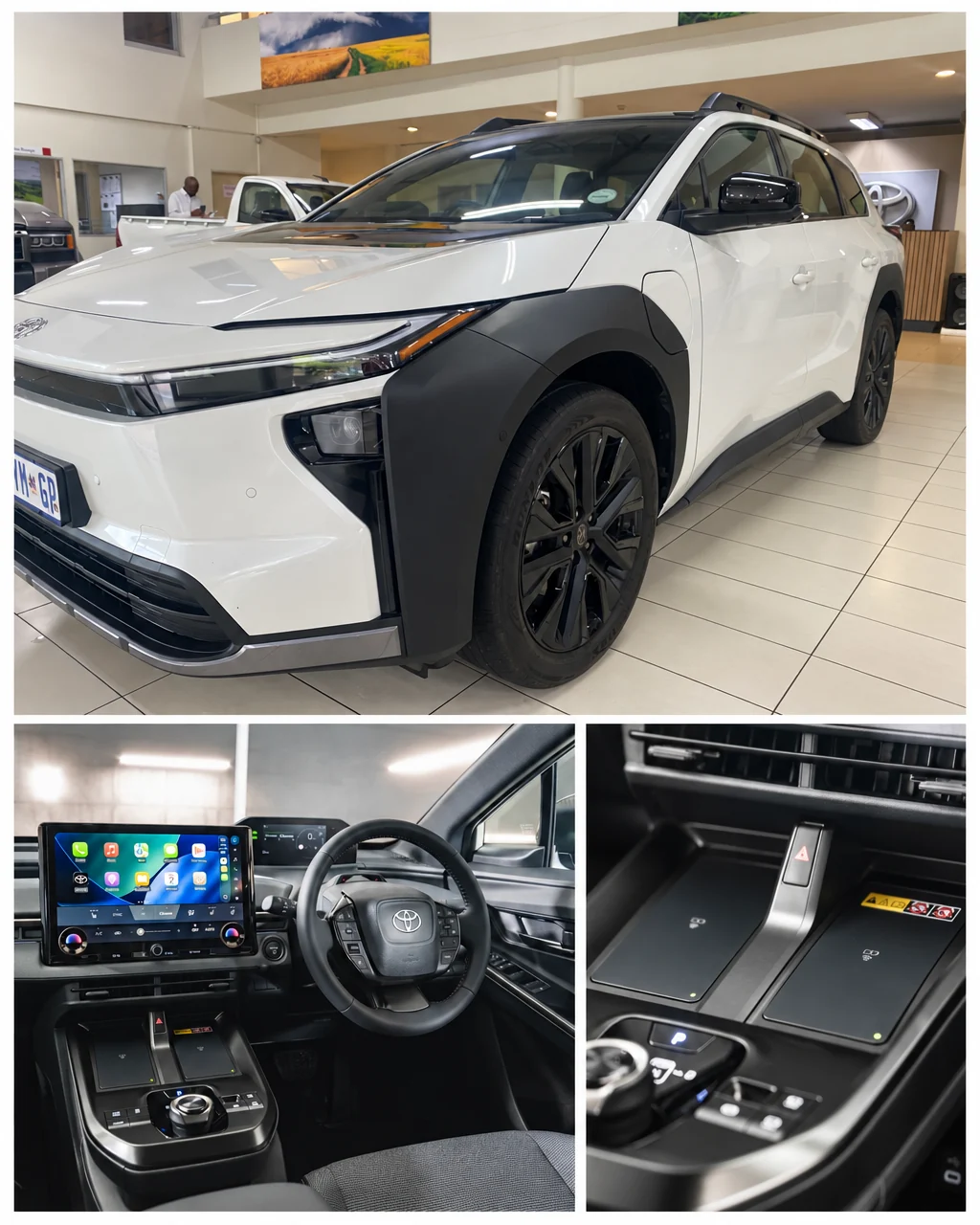
Is Eswatini ready for electric motoring?
While the arrival of the bZ4X presents an exciting development for the automotive market, electric vehicle adoption in the country remains at an early stage. Charging infrastructure, affordability and consumer awareness are among the factors that will influence how quickly motorists embrace the technology.
However, the country has begun laying the groundwork for this transition. In 2024, the Eswatini Electricity Company invited proposals for three pilot public electric vehicle charging stations, including fast-charging facilities. Government’s Nationally Determined Contribution also identifies a target of having at least 100 registered electric vehicles by 2035, alongside the development of a solar-powered public charging network.
Furthermore, the ministry of natural resources and energy has been advancing the development of a National Electric Mobility Policy, with discussions covering charging infrastructure, electricity grid readiness, incentives and skills development.
The transition is, therefore, not simply about introducing electric cars into showrooms. It also presents opportunities for investment in charging infrastructure, renewable energy, vehicle maintenance, technical training and new automotive-related businesses.
For motorists, the appeal includes reduced dependence on conventional fuel, fewer moving mechanical components requiring routine maintenance and zero tailpipe emissions while driving.
With the bZ4X now available locally, NTT Toyota is giving Emaswati an opportunity to experience what could become an increasingly important part of the country’s motoring landscape. The bigger question is whether the supporting infrastructure and affordability of electric mobility will develop quickly enough to make the technology accessible beyond early adopters.