


GOVERNMENT has officially launched the 2026 Children’s Month, placing renewed emphasis on the urgent need to ensure universal access to water, sanitation and hygiene (WASH) services for every child in the country.
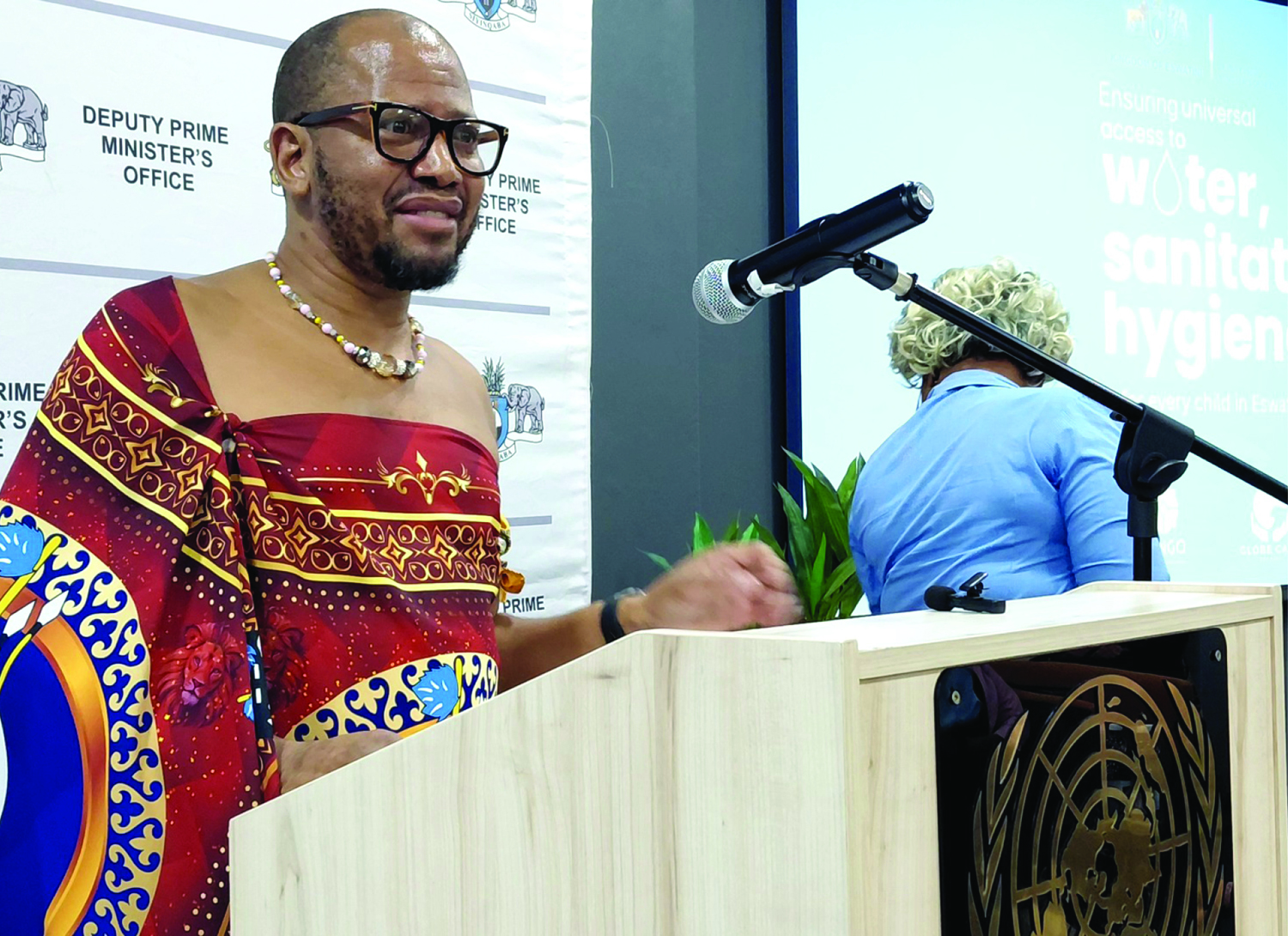
The launch, held at the UN House, was officiated on behalf of Deputy Prime Minister Thulisile Dladla by Principal Secretary Siboniso Nkambule.
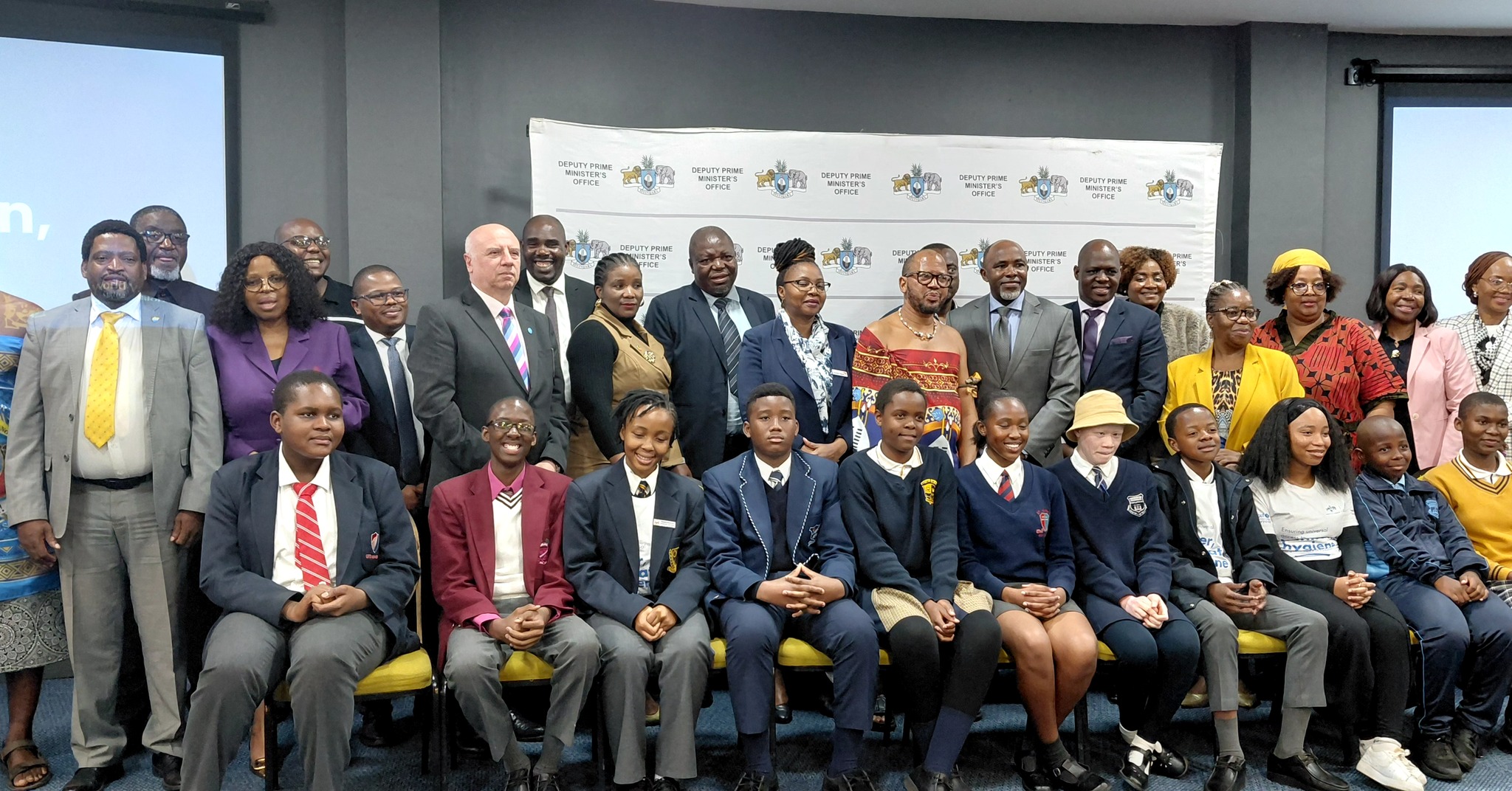
The event brought together government officials, development partners, civil society organisations, educators and children representatives under the theme: ‘Ensuring Universal Access to Water, Sanitation and Hygiene for Every Child in Eswatini’.
In the keynote address, Dladla described the annual observance as both a celebration and a national call to action, stressing that children’s wellbeing remains central to the country’s development agenda.
She said the 2026 theme speaks directly to dignity, health and the future of children, noting that inadequate WASH services continue to undermine progress in education and health outcomes.
“Without safe water, children are exposed to preventable diseases. Without adequate sanitation, girls in particular face barriers to education and dignity. Without hygiene, the cycle of ill-health continues,” she said.
She further emphasised that the impact of WASH challenges is often underestimated, yet they shape daily realities for thousands of children.
Dladla noted that long distances to water sources result in school absenteeism, while poor sanitation facilities in schools contribute to dropout rates, especially among adolescent girls during menstruation.
She reaffirmed government’s commitment to Sustainable Development Goal 6, which seeks to ensure availability and sustainable management of water and sanitation for all.
READ MORE | Restore integrity at EPTC, new MD told
The DPM outlined ongoing national interventions aimed at closing service gaps, particularly in rural and peri-urban communities where vulnerabilities remain highest.
Among key initiatives highlighted were the expansion of rural water supply infrastructure, efforts to eliminate open defecation through community-led sanitation programmes, and the strengthening of the School WASH Programme.
Noting that the programme ensures that schools are equipped with functional water points, gender-segregated sanitation facilities and hygiene education interventions.
She also reported progress in integrating WASH standards into health facilities to ensure that children receive care in safe and hygienic environments.
In addition, partnerships with development agencies have been instrumental in mobilising technical and financial support for WASH service delivery across the country.
“Universal access means no child should be excluded whether in remote rural areas, informal settlements, or among vulnerable groups, including children with disabilities and orphans,” Dladla said.
The DPM also urged parents and community leaders to take an active role in promoting hygiene practices at household level, stressing that sustainable change begins within families and communities.
Addressing children directly, Dladla reminded them of their rights to clean water, dignity and a healthy life, encouraging them to become champions of good hygiene practices within their schools and communities.