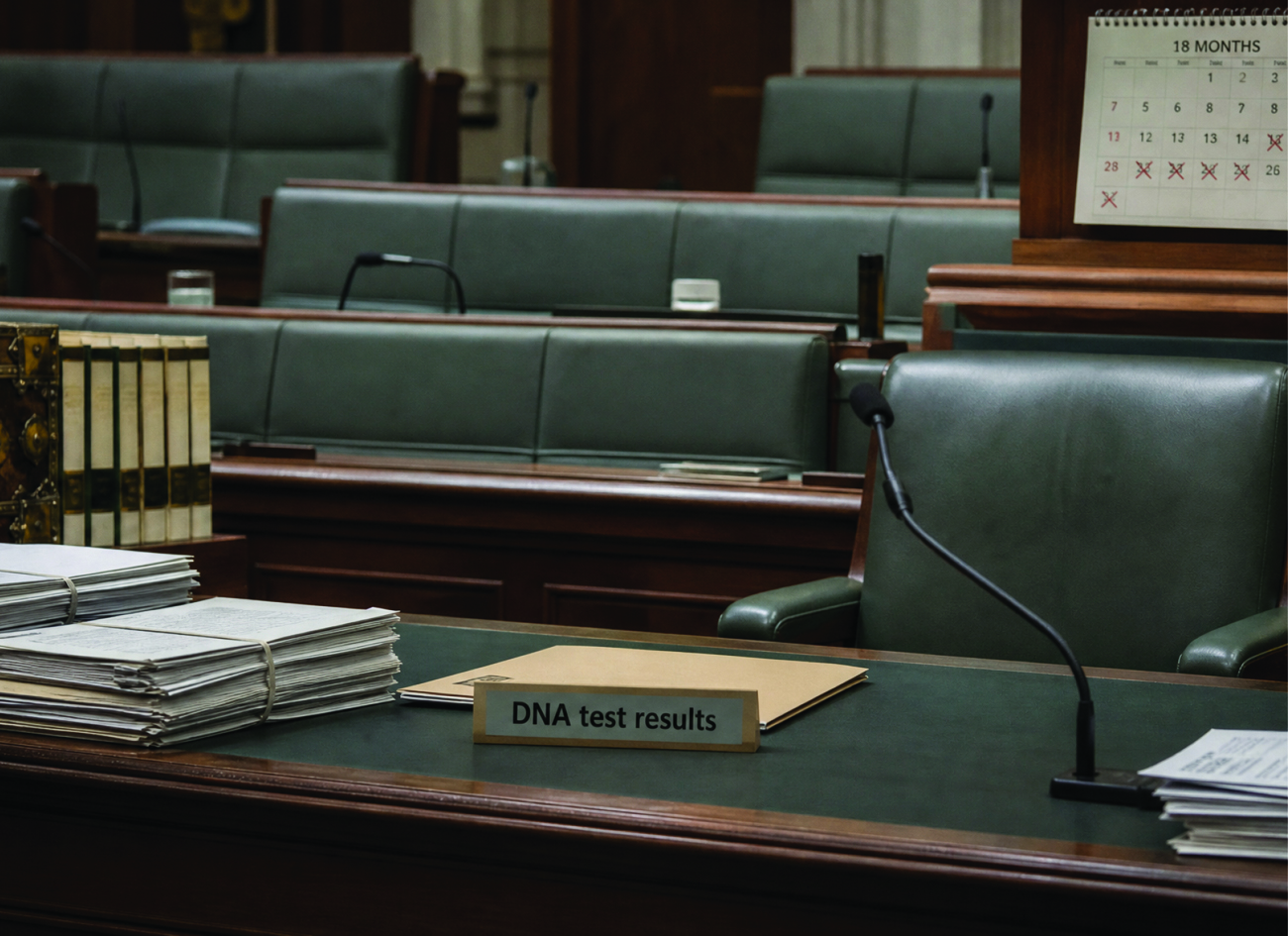
Mahlangatsha Member of Parliament Mgucisi Dlamini says he is not giving up on his motion for compulsory DNA testing after 10 months passed since the motion remained undebated in the House of Assembly.
The motion once again appeared in the notice paper published by the office of the speaker on Friday, even though it first appeared in the notice paper last year around September.
According to Dlamini, the motion was supposed to be debated last year but could not proceed because the minister was sometimes not present when it appeared in the Order Paper. The minister responsible for the motion is the Minister of Home Affairs Lindiwe Dlamini.
Dlamini said he has brought it back since the issue of men taking care of children that are not theirs was still continuing. He said they wanted to make sure that men are helped regarding the issue.
According to the notice paper, Dlamini is expected to move that, noting the growing national concern and outcry from countless citizens who have been unknowingly raising children who are not biologically theirs, and concerned that the current birth registration system does not verify paternity and may contribute to cases of paternity fraud, emotional trauma, broken families and unjust financial responsibilities.
He said while acknowledging that the issuance of a birth certificate is a legal document that affirms the identity and parentage of a child, and thus must be based on accurate and verifiable information, believing that truth and transparency in family matters are vital for social stability, justice and the protection of both men and children.
“Government, through the ministry of home affairs in collaboration with the ministry of health, should develop and implement a policy that mandates the consideration of DNA testing prior to or during the issuance of birth certificates, especially in cases where paternity is disputed or unclear,” he said.
He added that government must establish a legal and ethical framework that regulates DNA testing to ensure the protection of the rights of the child, the mother, and the alleged father.
In the motion, the MP said the State should consider subsidising or offering affordable DNA testing services, particularly for low-income citizens, to avoid financial discrimination in access to biological truth.
He said counselling and legal support services must be provided to assist families in dealing with the emotional and social outcomes of DNA testing.
“The minister of home affairs must, within 60 days after adoption of the motion, bring an amendment of the National Civil Registration and Vital Statistics Act of 2023 to accommodate the use of DNA tests before registering birth certificates,” he said.
The MP is expected to be seconded by Mhlambanyatsi MP Dr Bonginkhosi Dlamini.