



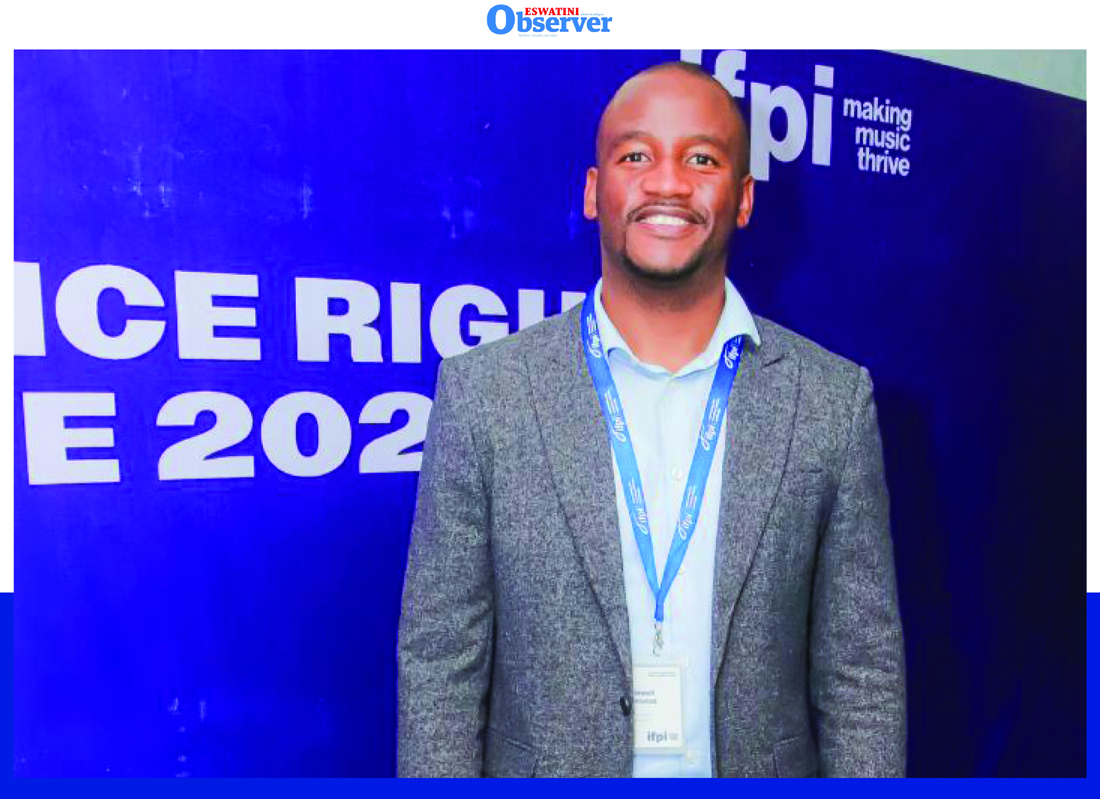
AT a conference held in Nigeria attended by the Eswatini Copyright and Neighbouring Rights Society (ESWACOS), the need for artificial intelligence (AI) licencing policies in the music industry, involving creators, regulators and tech stakeholders discussing copyright protection and innovation, was raised.
The discussion emerged during the International Federation of the Phonographic Industry (IFPI) conference in Lagos, where Nigerian Copyright Commission Director Dr John Asein emphasised that licencing AI companies that use copyrighted works for training models is becoming a global standard practice.
“Licencing of AI companies that use copyright work to train their AI models is bound to become standard practice, highlighting recent AI licencing deals,” Dr Asein stated, adding that clear policies are needed to balance innovation and protection of human creativity.
Participants noted that while artificial intelligence is accelerating digital transformation, it must not undermine human authorship or disrupt revenue streams from music and creative works.
The conference stressed the need for African governments to incentivise investment in recorded music industries.
ESWACOS Executive Director Mmeli Hlandze, who attended the conference, highlighted that Africa’s digital music economy is expanding rapidly and requires structured frameworks to ensure creators benefit from emerging technologies.
“Driving digital innovation requires ensuring creators benefit from streaming platforms while supporting licencing frameworks for emerging technologies, including AI,” Hlandze stated, noting that ESWACOS was also encouraging local tech entrepreneurs to build music-related platforms and services.
ALSO READ | Lution to showcase hip hop identity in America
He further explained that a strong rights system was essential for innovation, as it guaranteed protection for both creators and developers while increasing participation in the digital economy.
Hlandze added that improved licencing and royalty systems could significantly contribute to national gross domestic product (GDP) growth.
“The bigger picture is that these are not merely industry concerns but development challenges that require coordinated responses,” he said, stressing that ESWACOS is working to ensure that the local creative economy translates into measurable economic value.
In separate remarks, Jelelé Chief Executive Officer Dr P warned that overreliance on AI tools could weaken artistic skills, urging creators to remain actively involved in the music-making process.
“Use AI carefully because it tends to encourage laziness and dependence. Artists must still go through the real creative process,” Dr P said, cautioning against loss of originality.
Mabonwa Abulawe Director Young Zesh added that creativity remains a human process, arguing that AI-generated music lacks authentic artistic structure and emotional depth.
He said while AI can assist production, it should not replace core creative work.
The conference concluded that licencing, regulation and education are key to ensuring AI enhances rather than replaces creativity in Africa’s growing music industry.