
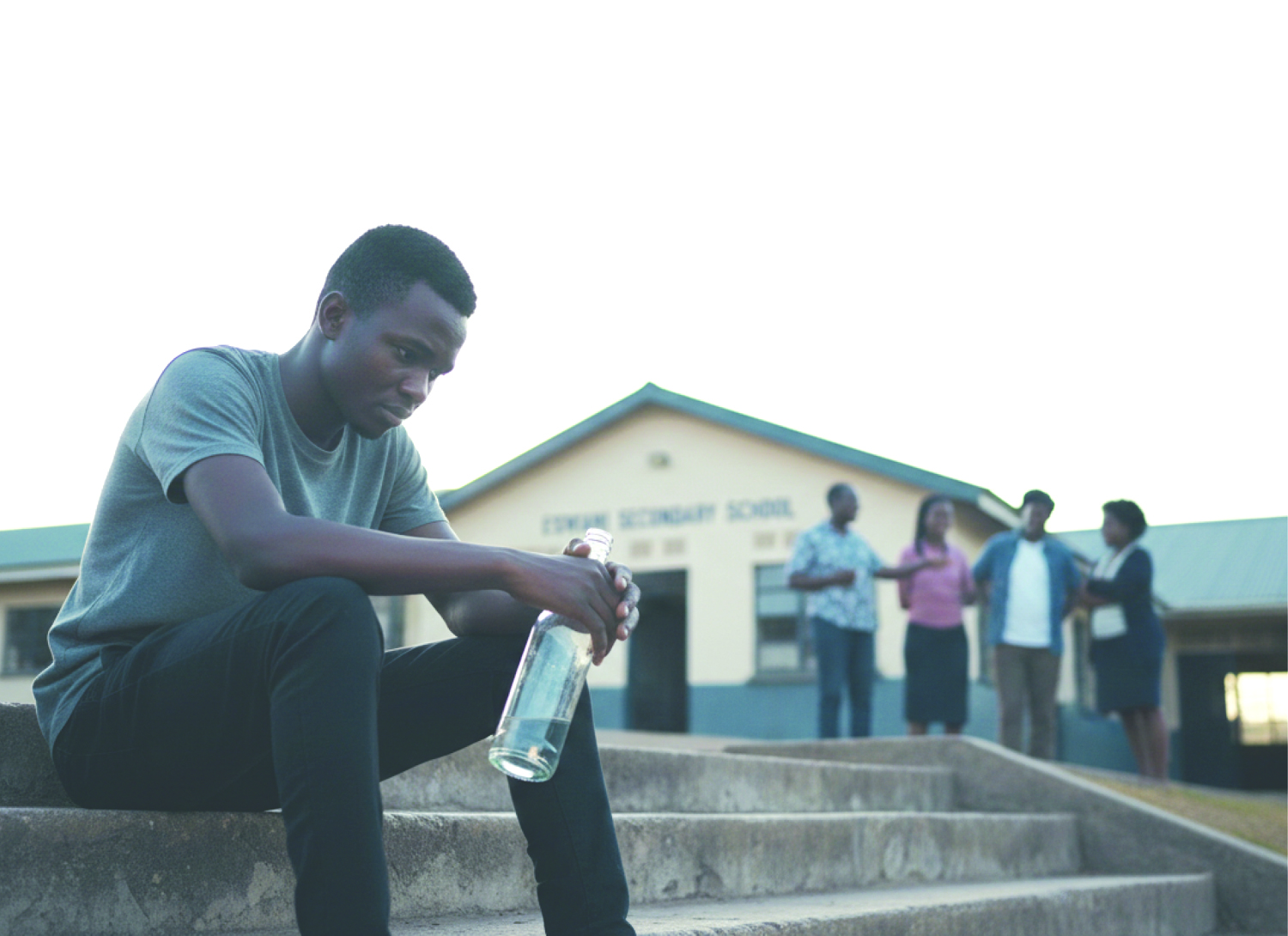
OVER a third of the local youth are classified as heavy alcohol consumers, a trend that is contributing to growing social challenges, including housebreaking and other forms of youth-related crime.
These findings are contained in the Kingdom of Eswatini State of the Youth Report 2026, which highlights the growing impact of weakened family structures, poverty and unemployment on the country’s young population.
Under the report’s third strategic pillar, social competence, the study paints a concerning picture of the social environment in which many young people are growing up.
According to the report, the breakdown of traditional family structures, largely attributed to the long-term effects of the HIV epidemic, has significantly weakened social support systems across communities.
As a result, many children are growing up without the guidance and stability traditionally provided by biological parents and extended family networks.
The report notes that approximately 58% of children under the age of 18 are classified as orphans and vulnerable children (OVC), a situation that has severely limited opportunities for positive socialisation and mentorship.
RELATED | ‘Youth unemployment hits 56%’
The researchers of the report warn that youth crime, including housebreaking, gang-related activities, cybercrime and substance abuse, is on the rise.
The report links these trends to a combination of poverty, unemployment and limited economic opportunities available to young people.
Despite these challenges, the report points to ongoing efforts aimed at equipping youth with life skills and positive values.
According to the report, between 2021 and 2025, more than 360 000 in-school learners and 4 596 out-of-school youth benefited from Life Skills Education (LSE) programmes designed to strengthen decision-making, resilience and responsible citizenship.
To address the growing social challenges affecting young people, the report recommends a range of interventions aimed at strengthening social competence and reducing youth vulnerability.
Among the key recommendations is the expansion of vocational training opportunities and rehabilitation programmes for youth offenders to improve their chances of successful reintegration into society.
It also calls for the increased use of digital platforms to promote civic participation, responsible citizenship and positive social values among young people.
In addition, it recommends the integration of social competency education into the national curriculum at all levels of the education system, ensuring that young people are equipped with both academic knowledge and essential life skills.
The report further urges policymakers to strengthen inclusive programmes targeting vulnerable groups, including orphans and vulnerable children, youth living with disabilities and those residing in rural communities.
Another key recommendation is the strengthening of multi-sectoral collaboration among government institutions, non-governmental organisations and youth-focused organisations to ensure a coordinated response to the challenges facing young people.