



SENATORS have raised concerns over the E5 million fine proposed under corporate liabilities in the Critical Infrastructure Protection Bill 2025, saying the penalty was excessively high.
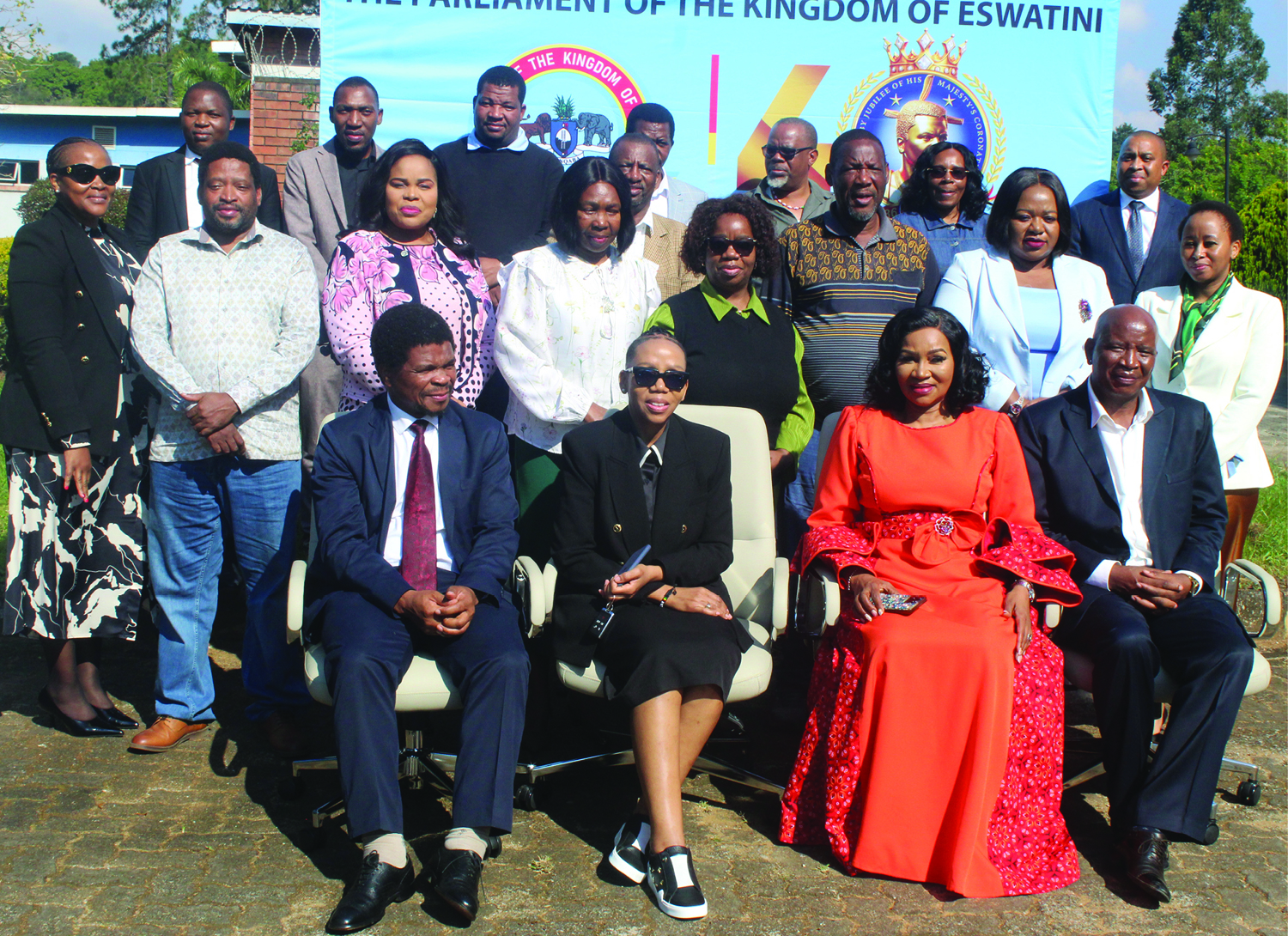
The concerns were raised during a workshop held with senators at the Eswatini Water Services Corporation Auditorium at Ezulwini yesterday to deliberate on the Bill.
Senators questioned the ministry of information, communications and technology (ICT) on the justification for the proposed fines, noting that the Bill did not clearly stipulate imprisonment terms for some offences.
The Minister of ICT Savannah Maziya explained that standard offences under the Bill would attract a fine of up to E500 000 or five years’ imprisonment or both. She added that aggravated offences involving damage to infrastructure or risks to public safety would carry penalties of up to E1 million or 10 years’ imprisonment, or both.
Maziya further stated that under corporate liability provisions, companies could face fines of up to E5 million while directors could also face individual penalties. She said additional sanctions would include forfeiture of tools used in offences, compensation to victims and revocation of licences.
Senator Chief Mvimbi Matse questioned whether ordinary citizens or companies would realistically afford the proposed fines.
“What exactly does the E5 million fine cover? Many people will end up in prison because they cannot afford such penalties,” he said.
He suggested that fines be reduced to between E1 million and E3 million.
“The Correctional Services will end up complaining, the E5 million fine is too much,” he said. Senator Chief Mphatfwa welcomed progress on the Bill, saying vandalism cases were increasing at an alarming rate.
READ MORE | Jobs galore as Ezulwini Palazzo begins hiring
He noted that reports of 400 cases within three months were worrying for such a small country. He also alleged that some individuals who once benefitted from government tenders were now allegedly orchestrating copper theft in order to secure supply contracts again.
“There are people who know exactly where to switch off electricity before stealing copper because they previously worked as subcontractors,” he alleged. Chief Mphatfwa also claimed that some employees within the Eswatini Electricity Company were involved in copper and transformer theft. He expressed hope that the Bill would be passed before Incwala.
Senator Celumusa Mvoti questioned how the law would apply in cases where infrastructure was damaged accidentally, such as during road accidents.
Meanwhile, Senator Sicelo Dlamini supported the proposed fines, saying harsh penalties were necessary to curb rampant copper theft. However, he stressed that those purchasing stolen copper should also be prosecuted.
“Those who buy the copper should be held accountable because they are knowingly buying illegally obtained goods,” he said.
Senator Linda Nxumalo also supported the Bill, saying copper theft affects many citizens through disruptions to essential services.
Senator Lorraine Nxumalo raised separate concerns relating to the banking sector, saying financial institutions often take too long to assist customers who mistakenly transfer money to the wrong accounts. She proposed that banks introduce brief delays to allow reversals before transactions are completed.