



El Niño is driving regional sugar demand, creating opportunities for the country’s sugar industry amid a recovery in global prices.
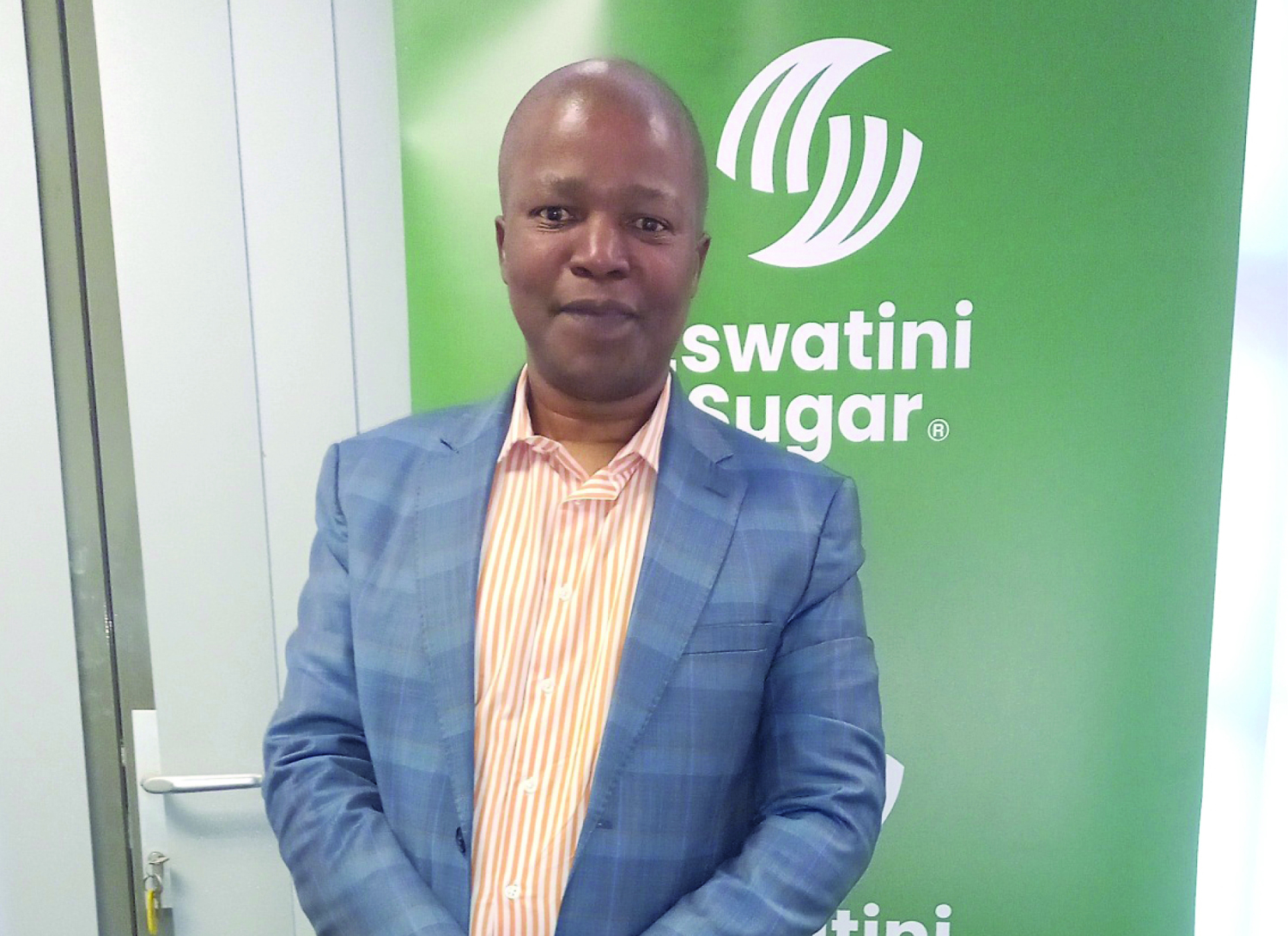
The United Nations Food and Agriculture Organization (FAO) recently reported that global sugar prices rose by 6.6% in October, marking the fourth consecutive monthly increase. Prices are now 28.8% higher than a year ago, reaching their highest level since December 2024. Eswatini Sugar CEO Banele Nyamane said the emergence of El Niño had increased demand from regional sugar-producing countries that were more vulnerable to its effects, potentially creating opportunities for the kingdom to strengthen its market position.
The developments offer a positive outlook for the local industry, which is anticipating improved export earnings and better returns for sugarcane farmers in 2027. However, Nyamane said the industry would not fully benefit from the current price rally because most export contracts for 2026 had already been concluded before prices increased.
“As we indicated in our report in July that our 2025 year was a sour year and we were projecting a bitter 2026 and poised for a sweeter 2027, our analysis was clear that the fundamentals were changing into our favour,” Nyamane said.
He added: “The recent price surge has definitely improved our financial situation, but unfortunately it came in when most of our contracts for this year had already been concluded, but it is giving us benefit on those volumes that had not been contracted. “While we are not expecting to deliver an excellent price to our members, it would definitely be better than last year.”
Despite the limited immediate gains, Nyamane said the improved market conditions would put the industry in a stronger position heading into 2027, with better returns for members and increased foreign exchange earnings expected.
“What is more important is that this recovery will help us start our 2027 at a better footing.
“We expect better returns for our members and improved foreign exchange earnings for our members and this should lead to positive contributions to the economy,” he said.
However, the anticipated recovery faces cost and production-related risks.
Nyamane warned that rising fuel costs, particularly those associated with sugarcane transportation, could erode some of the expected financial gains for farmers. He also identified sustained temperatures above 35 degrees Celsius as a concern for local sugarcane production, noting that this is the threshold the crop can withstand. On the domestic market, Nyamane said higher international sugar prices should not necessarily have a negative impact on local consumers and food manufacturers, particularly as prices remain below levels recorded two years ago.
“With regards to the local users of sugar, the price increase should not be a negative factor on its own as it is still below the level it was at 2 years ago,” he said.