


THE country needs an estimated E1.23 billion (US$77 million) to implement its resilience and recovery plan.
Deputy Prime Minister Thuli Dladla challenged African governments and development partners to stop relying on commitments and start investing in measures that protect lives before disasters strike.
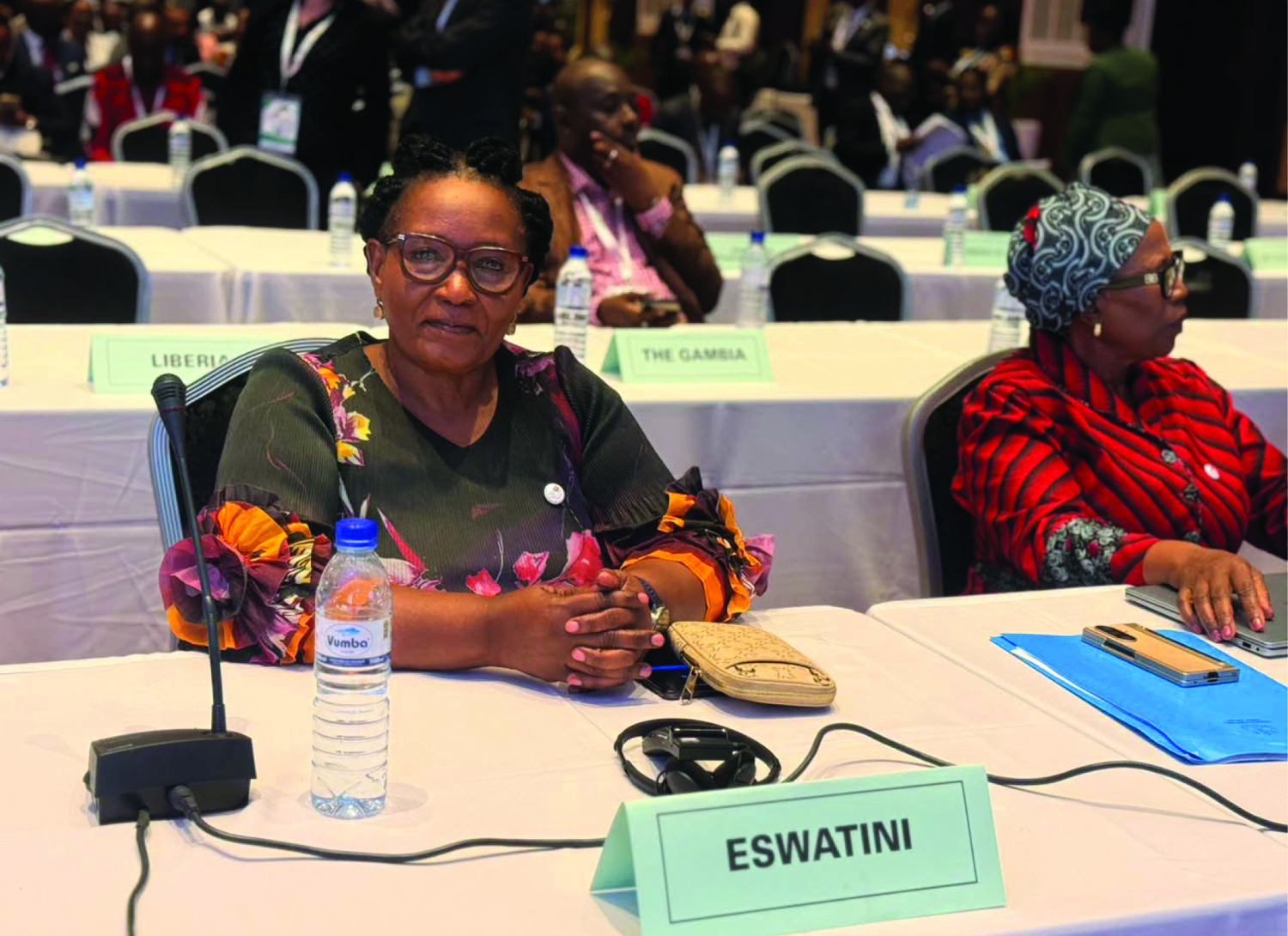
She was delivering the country’s ministerial statement at the International Conference on Disaster Risk Reduction and Resilience in Africa (ICCRR 2026) in Maputo, Mozambique. Dladla said the continent could no longer afford to wait for disasters to expose weaknesses in its preparedness systems. She called for a practical African agenda backed by accessible financing, stronger institutions, coordinated action and early warning systems that translate risk information into timely interventions. Her statement placed the spotlight on the financial and human costs of disasters, particularly drought, which she described as a systemic risk with far-reaching consequences for water security, food production, ecosystems, energy and livelihoods.
For the country, she said the call comes with a clear funding requirement: the implementation of a national resilience and recovery plan designed to strengthen the country’s capacity to withstand and recover from shocks.
Dladla urged development partners to support the plan, which prioritises social protection, agriculture and food security, health, education, environmental protection, water security, energy and risk communication.
“The challenge before us is whether we can translate those commitments into finance, coordinated and measurable action before the next crisis occurs. The over E1.23 billion (US$77 million) requirement highlights the scale of resources needed to turn resilience priorities into practical interventions capable of protecting vulnerable households and safeguarding development gains,” the DPM said.
Dladla warned that disasters must not be viewed merely as humanitarian emergencies that require assistance after devastation has occurred. She said their consequences extend into public finances, livelihoods, food supplies and essential services, placing additional pressure on governments and communities already struggling to meet their needs. She highlighted drought as a threat that cuts across multiple sectors, requiring governments to anticipate risks and strengthen preparedness before water shortages and food insecurity escalate into wider economic and social crises. She also emphasised that women, children, older persons and persons with disabilities often bear a disproportionate burden when disasters occur. She called for food and water security to remain central to resilience planning, alongside interventions that protect vulnerable households and sustain livelihoods.
The DPM further emphasised that early warning systems would only achieve their purpose if the information they generate leads to timely action. She called for stronger coordination among government institutions and other stakeholders to ensure communities receive relevant risk information and that appropriate interventions are implemented before emergencies escalate. The appeal points to a critical element of disaster preparedness: ensuring that warnings are connected to practical measures that enable people to protect themselves, their families, livestock and livelihoods. She also called for expanded social protection to safeguard vulnerable populations during disasters, reiterating the principle that no one should be left behind.
Beyond national interventions, Dladla urged stronger international solidarity, improved access to climate data and technology transfer to strengthen early warning systems across Africa. She said resilience required sustained investment in institutional capacity and the means to act on information, rather than commitments that remain on paper. She challenged delegates to judge the success of the Maputo conference by what governments and their partners deliver after the meeting, rather than by the declarations adopted.
“Our measure of success will not simply be the promises we make here in Maputo. It will be whether, when the next shock comes, our people are safe, our livelihoods are protected and our development gains endure,” Dladla said.
She reaffirmed the country’s commitment to working with the African Union Commission, the United Nations and development partners to advance a coordinated continental approach to disaster risk reduction and resilience.
She also commended Mozambique for hosting the conference and acknowledged the African Union Commission’s role in advancing a common agenda on disaster preparedness.
| Parameter | Details |
|---|---|
| Forum | International Conference on Disaster Risk Reduction and Resilience in Africa (ICCRR 2026) |
| Host Country & Venue | Maputo, Mozambique |
| Head of Delegation | Deputy Prime Minister Thuli Dladla |
| Partner Institutions | African Union Commission, United Nations, and multilateral development partners |
| Core Call to Action | Transitioning from post-crisis emergency aid to pre-disaster institutional financing and tangible implementation |
As reported by Nokuzola Thwala in the Eswatini Observer.