



THE Financial Services Regulatory Authority (FSRA) says licensed insurers in the country have remained within international benchmarks regarding rejected insurance claims over the past three years.
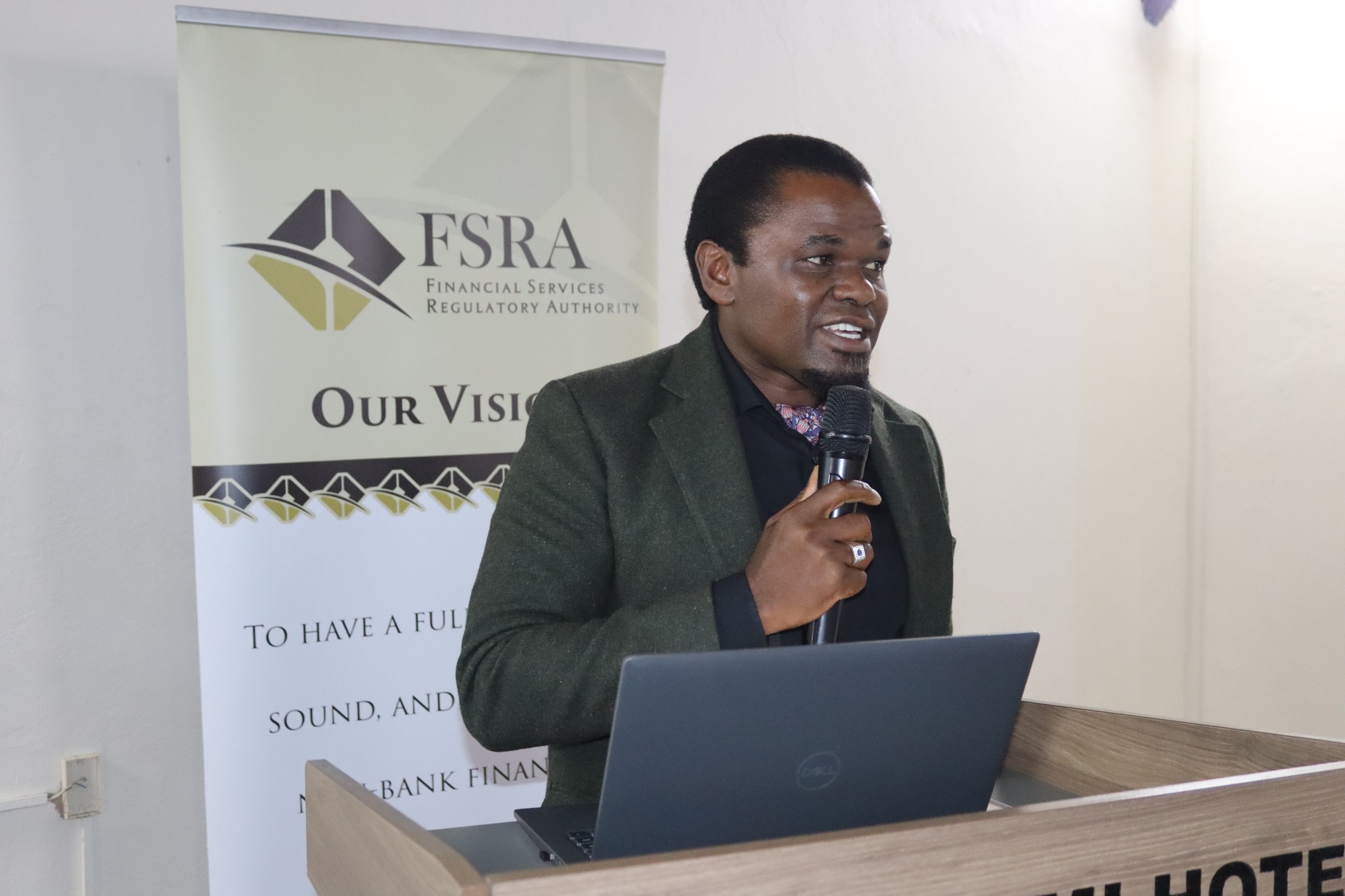
FSRA Chief Executive Officer Ncamiso Ntshalintshali made the remarks when appearing before the Finance Committee chaired by Lobamba Lomdzala MP Marwick Khumalo yesterday.
The committee had requested a report on the conduct of insurance companies, amid concerns that some insurers were avoiding their responsibility to settle claims.
Ntshalintshali said disputed claims often involved disagreements between insurers and policyholders over whether a claim met the requirements for payment.
He said the number of rejected claims recorded by licensed insurers over the past three years was within the international benchmark used for comparison.
The Tesco matter in Matsapha was among the issues discussed during the meeting. The company’s Matsapha facility was destroyed by fire last year, with stock reportedly worth about E30 million lost in the incident.
Ntshalintshali explained that an insurance arrangement was based on two key documents — the insurance schedule and the insurance wording.
He said the schedule set out the insurer, the insured and the amount covered while the insurance wording outlined the responsibilities of the insured and the requirements that had to be met when a claim was made.
He said the wording was technical because it was supported by assessments from experts, as well as reports from fire services, municipalities and other requirements that the insured entity was expected to meet.
According to Ntshalintshali, disputes could arise over whether a policyholder had received the policy document and whether the company was aware of the requirements it had to meet for the insurance cover to apply.
“We are getting that since most of the entity’s stuff got burnt, some confirmations were received after the fire incident while others through the entity’s intermediary,” he said.
Another issue raised in relation to the Tesco claim was tax information. Ntshalintshali said FSRA could not confirm certain tax information because it was confidential and had been shared between the client and the Eswatini Revenue Service (ERS).
He said the regulator also faced difficulties in establishing the amount and quantity of stock destroyed in the fire.
“Information needed to help the insurer establish the quantity of stock available on the day of the fire had not been provided by the complainant”, he said.
Ntshalintshali said the matter also involved the ERS and that the courts would ultimately be the platform to determine some of the disputed issues.
“We believe that the only platform to adjudicate will be the courts,” he said.
He said this was one of the reasons FSRA had not been able to hold either the intermediary or insurer to account over what they believed should have been done to assist with the claim.
The CEO said information was currently being gathered by the ombudsman and could later be tested in court.
He said he had personally engaged the insurer and intermediary but did not want to interfere with the ombudsman’s process.
Ntshalintshali said the ombudsman’s determination would provide the complainant with a basis to know what avenues were available if they were dissatisfied with the outcome.
The Tesco matter was raised after Parliament sought clarity on the conduct of insurers and the handling of claims.
Ntshalintshali also told the committee that FSRA had powers to sanction financial institutions that failed to meet specific compliance requirements.
He said the regulator could revoke the licence of a financial services provider that was found not to be offering safe and sound products and services.
However, he said such action had to follow the law, with the affected institution given a fair opportunity to explain why its licence should not be revoked.
Financial services providers also had rights under the law and could challenge regulatory decisions, he said.
He said FSRA therefore had to follow a fair process when taking regulatory action.
FSRA’s consumer education and financial inclusion department also worked to improve public knowledge of financial services, Ntshalintshali said.
He said its mandate was to promote education and knowledge of financial services among members of the public.