



While the Mbabane Municipal Council has maintained that its move to close some liquor outlets around Mbabane was about enforcing the law, MPs have urged the intervention of the Ministry of Housing and Urban Development in reconsidering the approach.
The streets of Mbabane recently went quiet following a sweeping crackdown by the municipal council, which led to the closure of several liquor outlets in residential areas.
These businesses were shut down primarily due to non-compliance with zoning and licensing requirements after their applications for licence renewals were rejected.
Members of Parliament (MPs) have since called for meaningful engagement and dialogue among the parties involved rather than a hard-line stance that could leave many families without a source of income.
The MPs expressed concerns about the economic fallout, arguing that these businesses were more than just places for buying alcohol, but were essential sources of employment for many citizens.
“When an outlet is shuttered, it is not just the owner who suffers, but the staff who rely on those wages to feed their families,” said Welcome Dlamini, who was vocal about the need to reach middle ground on the matter.

He suggested a formal engagement process where the ministry and business owners could discuss a path toward compliance.
Dlamini also highlighted the economic reality of the industry.
“Alcohol in residential areas are the drivers of the economy and we should not run away from what liquor contributes through tax. Let us not paint alcohol as something very bad, it is part of us,” he said.
This sentiment was supported by other members, who raised concerns about the financial burdens placed on entrepreneurs.
NOW READ | DPM warns: Stop violating young boys
Masiphula Mamba pointed out that many of the affected business owners were operating under heavy debt and had obligations to meet.
He questioned whether proper procedures were followed during the closures, noting that the timing had been devastating for those attempting to formalise their operations.
“Some of these businesses have loans to settle and closing them is a burden. That is because when they were supposed to obtain their certificates of incorporation, they were closed down,” Mamba explained.
The MPs expressed worry that instead of helping businesses grow into compliance, the current system was simply cutting them off from the roots.
Beyond economic concerns, some MPs appealed to government’s sense of compassion and fairness.
Zanele Mashaba raised technical concerns about how licences were issued and whether the distance between outlets had been properly considered during planning stages.
Mgucisi Dlamini urged the ministry to act with greater kindness during these difficult times, referring to the current national spirit.
“This is the year of love, we must show love,” he said, suggesting that a more supportive approach could yield better results for communities.
The fairness of the enforcement was also questioned by Sifiso Shongwe, who highlighted apparent inconsistencies in how the rules were applied.
Using an example at Sandla in Mbabane, he noted that one new outlet was closed while an older one was allowed to continue operating despite being in the same vicinity.
“The Ministry of Housing Apollo should have a look on this one,” he pleaded.
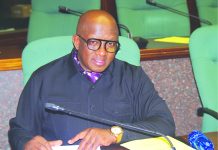
Responding to the concerns, Apollo Maphalala stood firm on government’s position, though he acknowledged the issues raised.
He clarified that the closures were not an impulsive decision but rather a final step after repeated attempts to bring businesses into compliance with the law.
“We have been engaging the businesses to comply but they failed and closing them was the last resort,” he said.