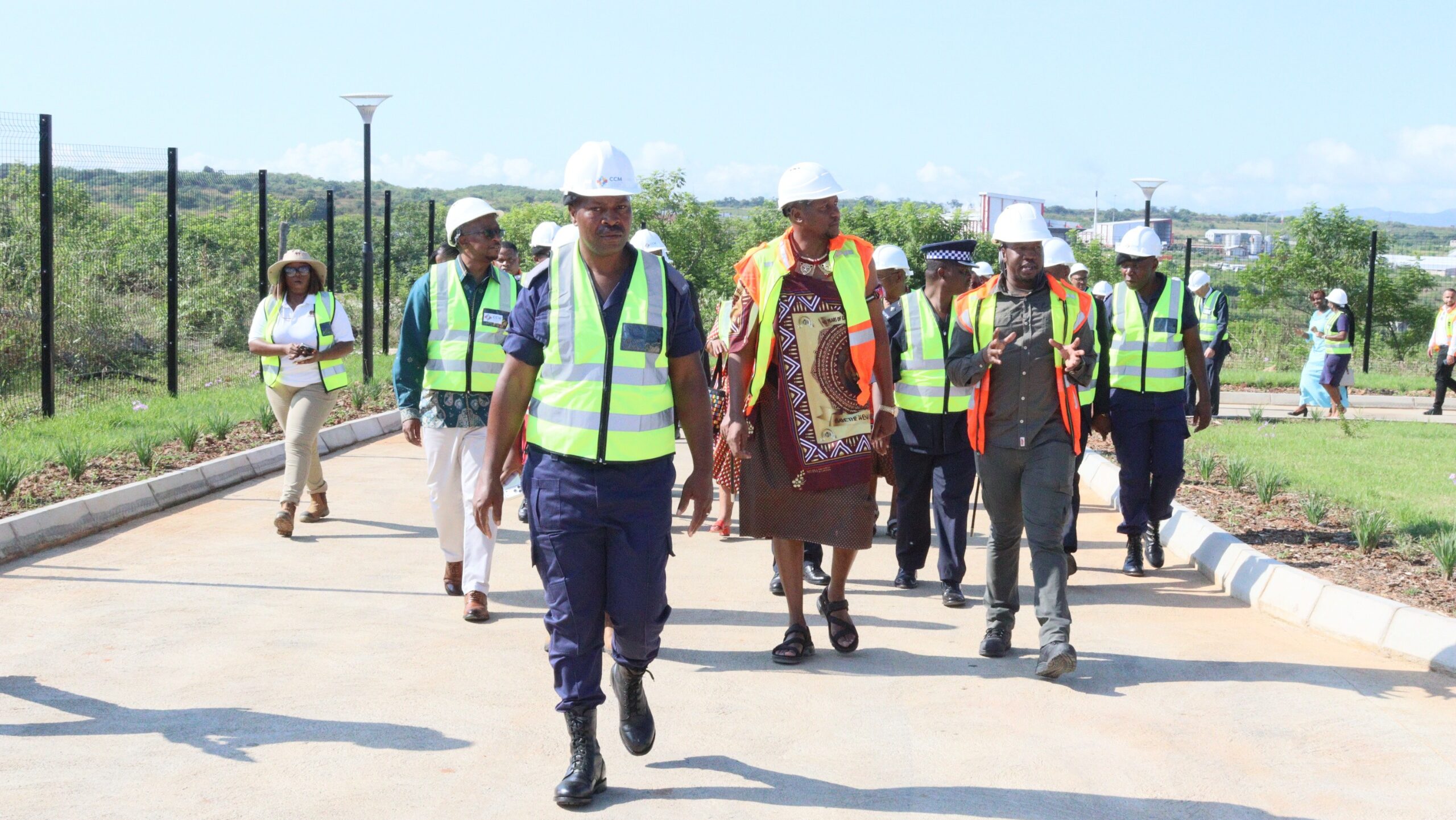
Prime Minister Russell Mmiso Dlamini has said the commissioning of a new healthcare waste management facility in Matsapha marks a significant milestone in strengthening the country’s health system and safeguarding the environment.
Speaking during the launch yesterday, the prime minister stated that the facility represents an investment of approximately E52 million, made possible through support from the Global Fund. He said the project reflects a shared commitment to protecting public health and ensuring the wellbeing of the nation.
Dlamini noted that for many years, the country faced challenges in the safe collection, transportation, and disposal of expired healthcare products stored at medical facilities and the Central Medical Stores. He explained that through the support of the Global Fund and the strategic leadership of NERCHA, the Ministry of Health, and Matsapha Town Council, the vision of a centralised healthcare waste treatment system had now been realised.
He described the partnership as a strong example of effective collaboration between government institutions and development partners, commending the Matsapha Town Council for providing the land on which the facility was constructed.
The prime minister further highlighted the role of a multi-sectoral steering committee appointed by the Ministry of Health to oversee the project, as well as the engagement of technical advisors to guide the development of a sustainable waste management solution.
According to Dlamini, environmental studies conducted prior to construction ensured that the facility met both national and international standards, laying a solid foundation for its implementation.
At the core of the plant, he said, is a high-temperature incinerator capable of operating at up to 1,100 degrees Celsius, with the capacity to process over 300 kilograms of healthcare waste per hour. He stressed that the equipment represented a critical national asset and underscored the importance of maintaining it to ensure long-term reliability.
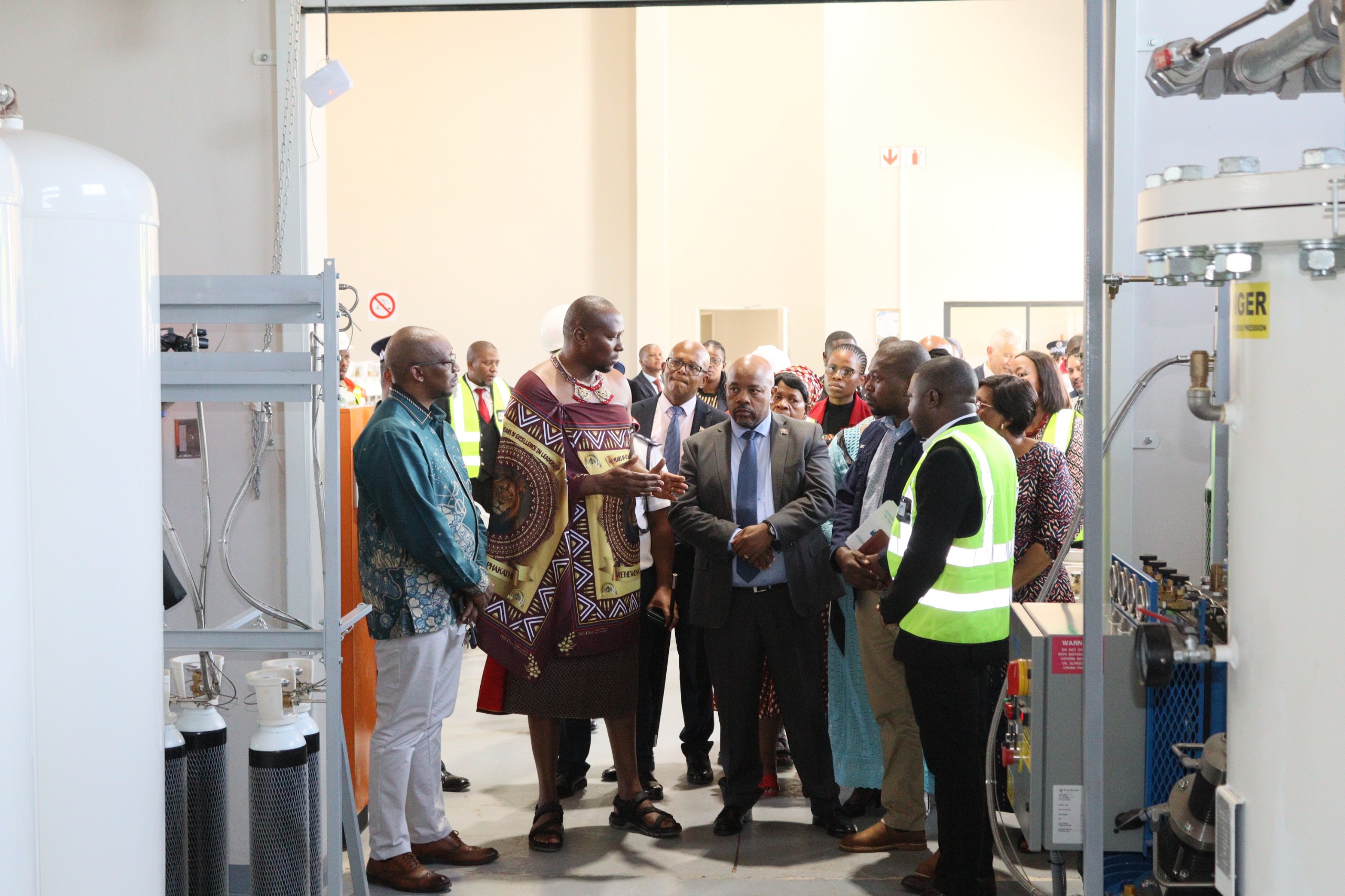
The PM reported that construction began in May 2025 and was completed within the set timeframe and budget. He commended the contractors, project partners, and steering committee for their coordination and dedication throughout the process. Installation of the incinerator commenced in January 2026 and was carried out with notable professionalism.
While the facility has now been commissioned, Dlamini indicated that a few outstanding works, including security installations, furnishing, and final regulatory inspections, were still to be completed before full operationalisation.
He also revealed that the Ministry of Health had received three specialised medical waste management vehicles valued at over E3 million, which would facilitate the transportation of waste from health facilities across the country to the new plant.
Describing the development as more than just the completion of infrastructure, the prime minister said it marked the beginning of a new chapter in healthcare waste management in the nation. He added that the facility symbolised a collective determination to protect communities, preserve the environment, and uphold the dignity of citizens.
Dlamini further highlighted additional investments supported by the Global Fund, including the construction of oxygen plants, solar-powered systems, and upgrades to oxygen supply infrastructure at key hospitals. These initiatives, he said, collectively amounted to nearly E47 million and were aimed at strengthening the resilience of the country’s health system.
As the facility is handed over to the Ministry of Health and Matsapha Town Council, the PM called on all stakeholders to ensure its sustainability through continued collaboration, proper management, and maintenance. He urged all partners to work together to ensure that the investment delivered long-term benefits and continued to serve the nation effectively for years to come.