
Members of the public have called for the introduction of mandatory, regular background checks on religious leaders in the country, following the arrest of a pastor accused of murdering multiple women.
Community members, civil society voices and social commentators say the case involving Pastor Nkosingiphile Zwane has raised urgent questions about accountability within religious institutions, particularly where leaders occupy positions of trust and moral influence over congregants.
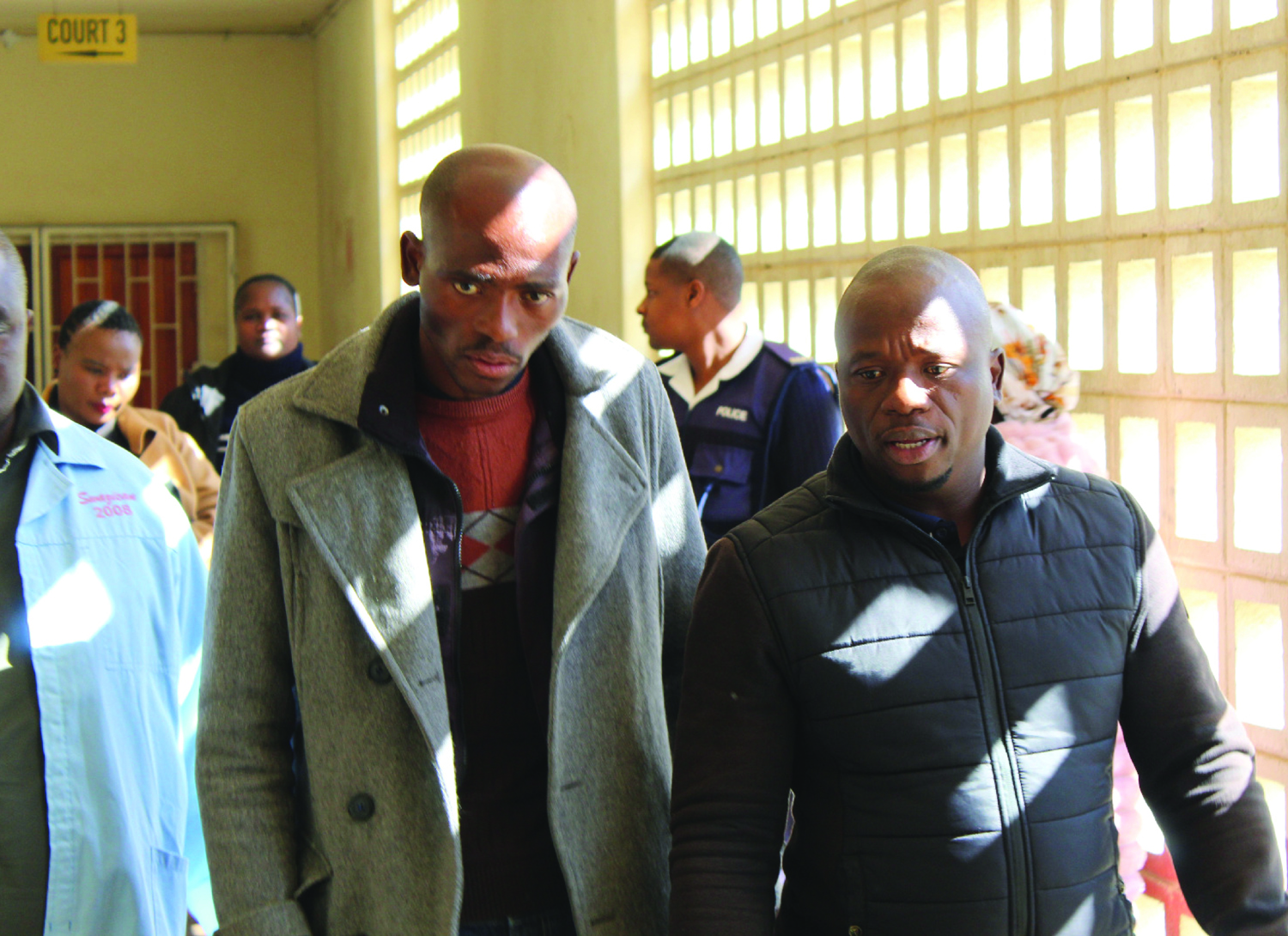
The calls come after police confirmed that Zwane, a pastor and community police member from Mfabantfu, was arrested by Sigodvweni Police and has been charged with rape and murder.
Investigators allege that he lured some of the victims through Facebook, reportedly promising them money and employment opportunities.
Authorities from the Royal Eswatini Police Service (REPS) said four women were recently recovered from a water canal at Mfabantfu in Matsapha. Police confirmed that all the victims had been strangled before their bodies were dumped in the canal, adding that investigations are ongoing and the matter is now before the courts.
Members of the public on this publication’s social media platform, including users Thando Maseko and Sipho Dlamini, have also contributed to the growing debate, calling for stricter vetting processes for individuals who lead congregations or hold positions of moral authority.
They said background checks should not only be conducted at the point of appointment but should also be repeated periodically to ensure continued suitability for such roles. Some social media users argued that religious institutions should not rely solely on initial screening processes, saying that ongoing monitoring could help prevent individuals with criminal intent from remaining in positions of influence.
They added that churches and faith-based organisations must take greater responsibility in ensuring the safety of their congregants, particularly vulnerable women and young people.
Others said there is a need for religious bodies to work more closely with law enforcement agencies to verify the criminal history of leaders and volunteers before they are placed in positions of trust. They warned that failure to strengthen oversight mechanisms could further erode public confidence in institutions that are traditionally regarded as safe spaces.
They further suggested that digital platforms, particularly social media, have made it easier for individuals with alleged criminal intent to target and exploit vulnerable people. They called for increased public awareness campaigns to educate citizens about online safety, particularly the risks of engaging with unknown individuals who offer employment, financial assistance or other opportunities.
Some users on the platform also urged families to be more cautious and to verify job offers as well as opportunities before responding, saying scammers and predators often exploit economic desperation.
The debate has intensified in the wake of the case, which has drawn widespread public concern over the safety of women who were reportedly lured under the guise of business and employment opportunities.
Community members say the incident has exposed gaps in both digital safety awareness and institutional accountability.
Police have urged members of the public to exercise caution when responding to unsolicited offers, especially those made through social media and to report suspicious activity to authorities. They also reiterated that investigations into the killings are continuing and further details will be communicated as they become available through official channels.
Meanwhile, civil society actors say the case should serve as a wake-up call for stronger safeguards across both religious and digital spaces, stressing that prevention mechanisms must be strengthened before more lives are put at risk.