
THE Eswatini National Agriculture Union (ENAU) has urged local farmers to organise themselves and increase production to meet the expected demand for vegetables.
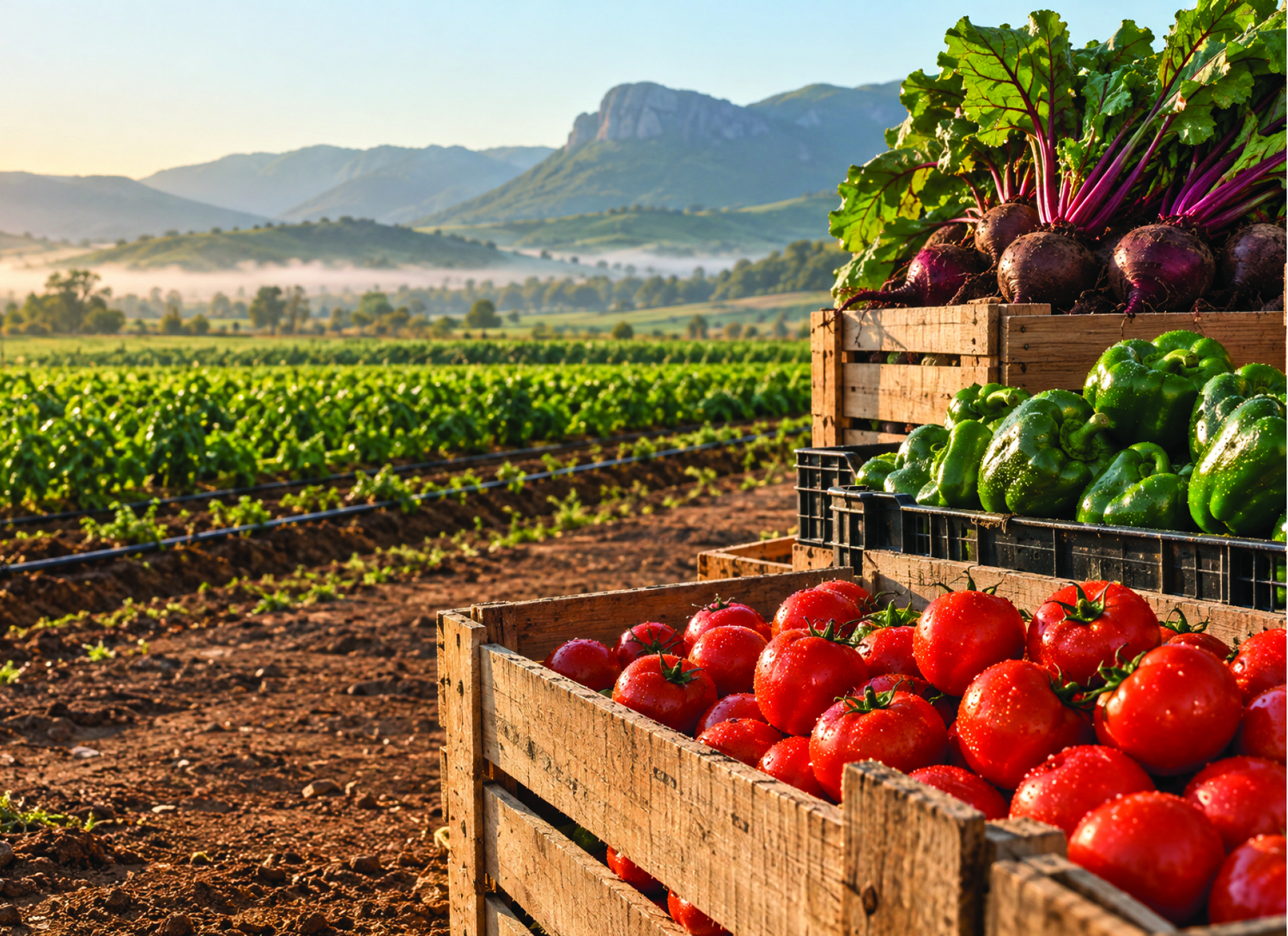
The call follows the National Agricultural Marketing Board’s (NAMBoard) recent announcement of temporary partial restrictions on the importation of table tomatoes, beetroot and green pepper.
The restrictions, introduced under Section 6 of the National Agricultural Marketing Board Act No. 13 of 1985, read together with Regulations 4(1)(c) and 5(2)(c), take effect on Friday.
NAMBoard, in a statement said a recent assessment showed that the availability of locally produced tomatoes, green pepper and beetroot had increased.
ENAU Chief Executive Officer Tammy Dlamini said the announcement was an opportunity for local vegetable farmers to grow their businesses by supplying the local market.
“This is what we want and we are capable of achieving it. What needs to be done is to equip the farmers so that they meet the high demand,” Dlamini said.
He said the union had always encouraged the use of locally produced food instead of heavily relying on imports. Dlamini stressed that farmers needed to work together and plan their production to ensure that there were no shortages on shop shelves.
He also warned farmers to prepare for possible drought conditions and find ways of keeping production and supply chains running.
“We will soon be experiencing drought, so farmers must not run out of produce. They need to come up with strategic ways to keep the supply chain moving,” Dlamini added.
Under the revised temporary partial restrictions, traders will be required to source 80% of qualifying table tomatoes locally before importing the remaining 20%. The requirement is a major increase from the previous 25% local sourcing requirement.
For beetroot, traders will have to source at least 15% locally while the requirement for green pepper has been set at 20%.
The changes are expected to give local farmers greater access to the domestic market, which has previously been partly supplied through imports.
NAMBoard said farmers registered with the organisation would be prioritised for local sourcing opportunities.
However, farmers have been cautioned against planting without proper planning. August planting data showed that tomatoes were already at 145% of estimated monthly demand.
As per the set stipulations, NAMBoard also expects traders to provide proof that the required produce has been sourced locally before they can import the remaining quantity.
The local sourcing requirements will remain in place until local demand exceeds the country’s production capacity.
NAMBoard said it will continue monitoring local stock levels and market conditions before making further decisions.