



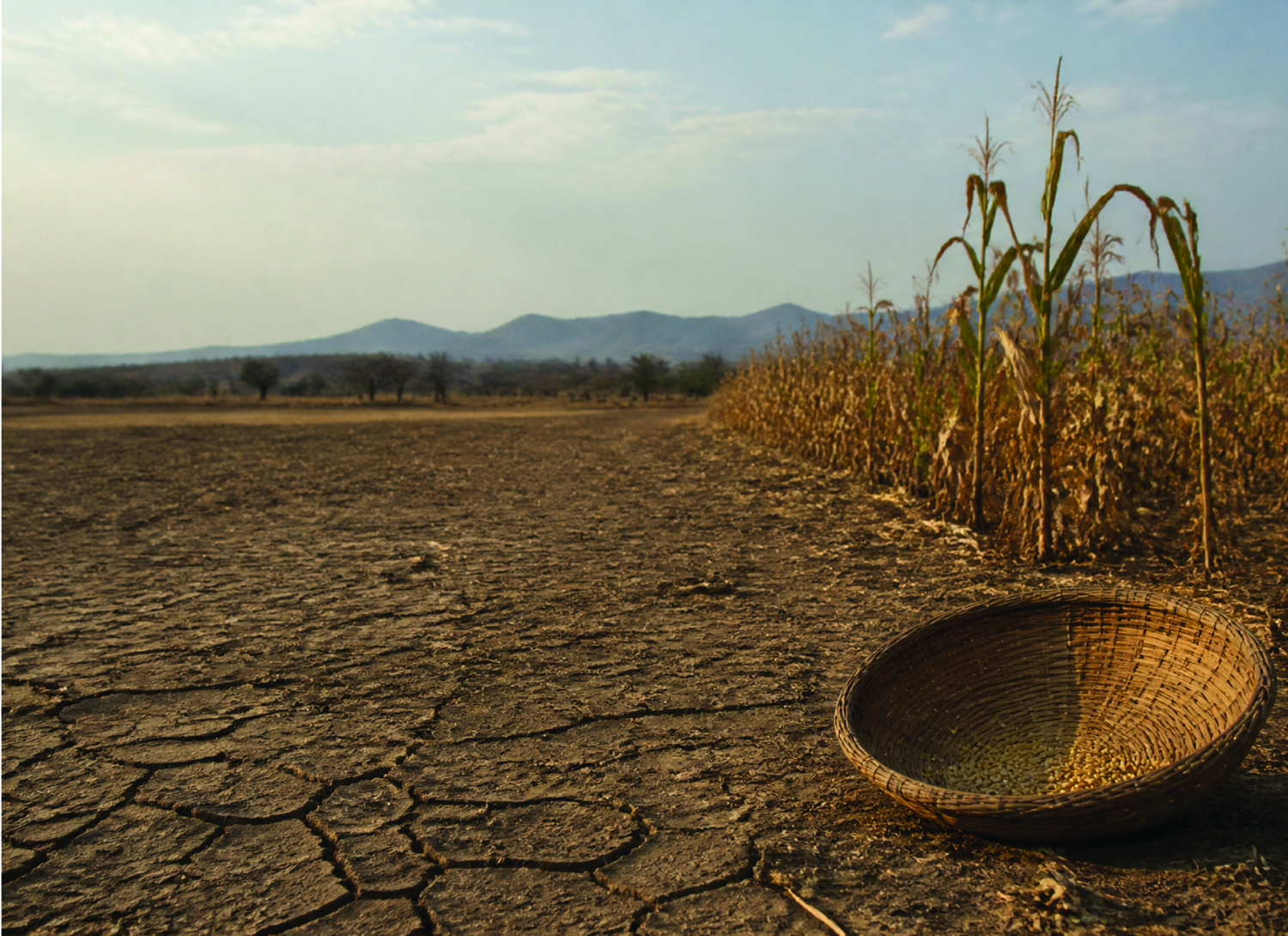
An estimated 22 000 Emaswati are projected to deteriorate into emergency levels of food insecurity during the upcoming lean season. This marks the first time the country is expected to record a population in IPC Phase 4 under the latest food security analysis.
According to the Integrated Food Security Phase Classification (IPC) Acute Food Insecurity Analysis, the projected deterioration between October 2026 and March 2027 signals a worsening humanitarian situation, with thousands of households expected to experience severe food consumption gaps and increasing difficulty meeting their basic food needs.
The report shows that while no households are currently classified under IPC Phase 4 (emergency), worsening climatic conditions, declining household incomes and persistently high food prices are expected to push about 22 125 people into that category during the projection period.
Overall, 286 346 people, representing 23% of the analysed population, are expected to face crisis or emergency food insecurity.
According to the report, the largest number of people expected to enter emergency conditions will come from the Lowveld Cattle and Maize livelihood zone, where approximately 12 237 people are projected to fall into IPC Phase 4.
Another 7 499 people are expected to reach emergency conditions in the Dry Middleveld, while the Lubombo Plateau is projected to record about 2 389 people in the same category.
The IPC attributes the projected deterioration to a combination of seasonal and economic pressures. Household food stocks are expected to be exhausted before the end of the projection period, forcing families to rely almost entirely on markets at a time when food prices are forecast to remain high.
The report further states that continued increases in fuel prices, declining household incomes and reduced agricultural production are expected to significantly weaken households’ purchasing power, making it increasingly difficult for vulnerable families to afford nutritious food.
Analysts also warn that the anticipated El Niño weather pattern is expected to worsen the situation through below-normal rainfall, prolonged dry spells and higher temperatures, all of which are likely to reduce agricultural production and deepen household vulnerability.
The report recommends scaling up emergency food assistance, nutrition programmes and cash transfers to households most at risk while strengthening agricultural support and social protection programmes before conditions deteriorate further.
FOOD AID FALLS SHORT AS VULNERABLE HOUSEHOLDS REMAIN EXPOSED
Humanitarian food assistance being provided to vulnerable households in the country is failing to reach enough people to significantly improve the food security situation, according to the latest Integrated Food Security Phase Classification (IPC) Acute Food Insecurity Analysis.
The report states that while humanitarian food assistance has helped some households experiencing food consumption gaps, the scale of support remains below the minimum thresholds used by the IPC to influence overall food security classifications.
According to the analysis, assistance currently falls short both in the proportion of households reached and in the amount of food provided to meet households’ daily energy requirements.
As a result, many vulnerable families continue to experience food insecurity despite receiving some form of assistance.
The report notes that rising food prices, declining household incomes and repeated climatic shocks continue to outpace the support currently being provided, leaving many households unable to adequately meet their food needs.
Looking ahead, analysts expect food assistance programmes to continue, particularly in Lubombo and Shiselweni. However, they warn that rising food prices and increasing operational costs could reduce ration sizes, while growing humanitarian demands elsewhere in the world may place additional pressure on available funding.
The IPC recommends scaling up emergency food assistance, nutrition support and cash transfer programmes for households in crisis or worse, while improving targeting and expanding the reach of social protection systems to cushion vulnerable families against future shocks.
LOWVELD REMAINS COUNTRY’S HUNGER HOTSPOT
The Lowveld Cattle and Maize livelihood zone continues to record the highest levels of acute food insecurity in Eswatini, with more than 85 000 people currently requiring urgent food assistance.
According to the latest Integrated Food Security Phase Classification (IPC) Acute Food Insecurity Analysis, the zone has 85 656 people classified under IPC Phase 3 (crisis), representing 35% of the analysed population. The figure reflects an 18% increase compared to the same period last year, when about 72 500 people faced similar conditions.
The report says the Lowveld continues to bear the brunt of recurrent climatic shocks, with prolonged dry spells damaging crops early in the growing season before excessive rainfall later disrupted crop maturation and harvesting.
According to the analysis, the zone also recorded one of its lowest maize yields in a decade.
Livestock farmers have simultaneously been affected by foot-and-mouth disease restrictions, which have disrupted livestock sales and reduced household incomes.
The IPC notes that many households in the Lowveld are experiencing poor food consumption and continue to rely on negative coping strategies as food prices remain high and livelihood opportunities remain limited.
Looking ahead, the report projects that conditions in the Lowveld will worsen during the October 2026 to March 2027 period.
The number of people facing crisis or worse is expected to rise to 97 893, with approximately 12 237 people deteriorating into emergency conditions.
Analysts say the findings reinforce the need for targeted interventions in the country’s most vulnerable livelihood zone, including improved agricultural support, livestock disease control and strengthened household resilience programmes.