



CONCERNS have been raised regarding a sharp increase in the financial burden placed on the public to fund their healthcare, which currently stands at 57% in the country.
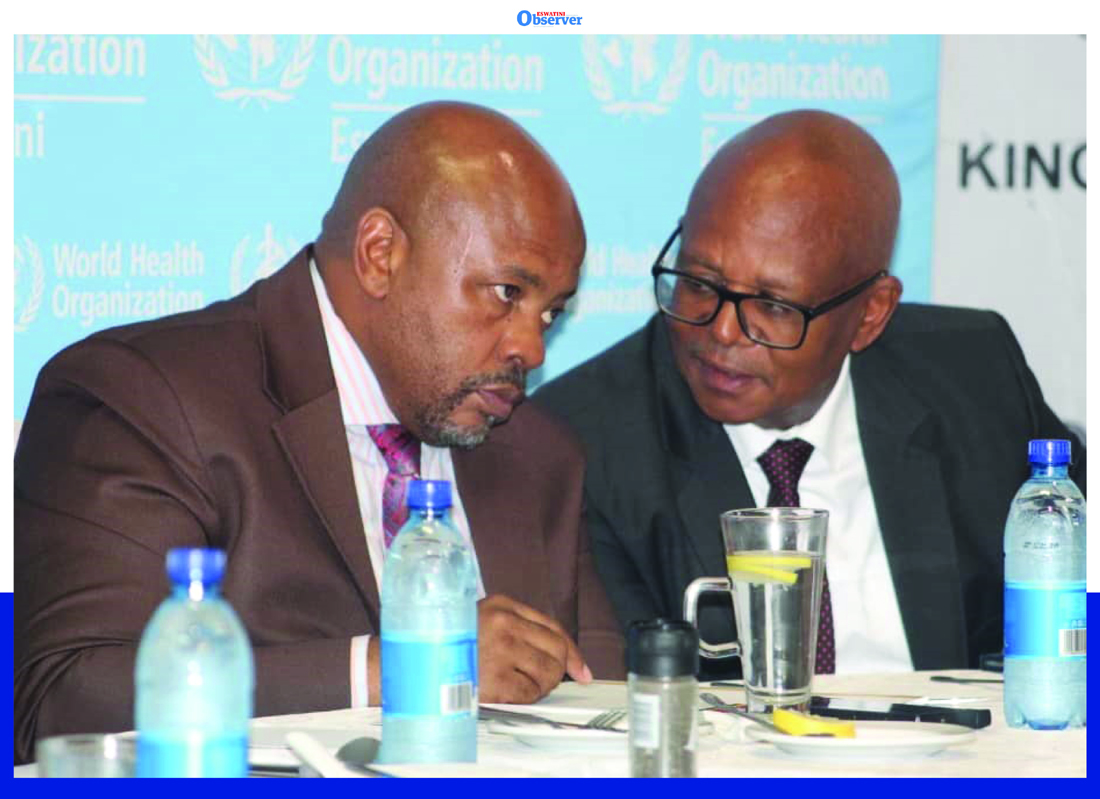
This was highlighted during the commemoration of World Health Day by the Ministry of Health and the World Health Organization (WHO) at the Mountain View Hotel yesterday.
Raising these concerns, Sandile Malambe from the Clinton Health Access Initiative (CHAI) stated that the issue stemmed from government concerns regarding current trends in out-of-pocket spending.
Malambe noted that while they were pleased with the quality of care provided by the private sector, analysis conducted over the past two to three years observed a sharp increase in the amount of money people were spending on prepaid healthcare financing.
Regarding spending percentages, Malambe stated that while the national average was 13.4%, a breakdown of different categories, specifically non-communicable diseases (NCDs), showed that people were spending to the tune of 25% in out-of-pocket payments.
He questioned how the private sector could continue to provide quality care without exposing patients to higher costs, noting that such expenses had catastrophic implications for their daily livelihoods.
Malambe expressed belief that, with the resources available to both the government and the private sector, the two could collaborate to ensure that the public is not subjected to such high out-of-pocket spending.
In response, Chairperson of the Business Eswatini Health Sector Committee Dr Panuell Gina said the country required an Act to ensure that healthcare charges were fair and that the public was protected.
He noted that such legislation should consider whether out-of-pocket payments should exist at all and, if so, under what circumstances.
Dr Gina stated that without this Act, no one was protected, including both service providers and patients.
“We need this Act as of yesterday,” the chairperson added.
Minister of Health Mduduzi Matsebula said achieving Universal Health Coverage (UHC) required the nation to move beyond traditional boundaries and embrace a more inclusive, collaborative approach.
“As a ministry, we are confident that UHC coverage will improve from the current 56% to 65% by 2030,” Matsebula said.
He, however, noted that the government could not carry this responsibility alone, adding that it called for the active participation of all stakeholders, including the private sector, development partners, philanthropists and households whose roles in the health system were both significant and indispensable.
The minister further stated that at the heart of the national agenda was the pursuit of UHC: ensuring that every Liswati had access to quality essential health services without suffering financial hardship.
This commitment, he said, was firmly anchored in the National Health Sector Strategic Plan 2024–2028.
Matsebula added that this was not only a health priority but also a critical driver of social equity, economic productivity and national development.