



THE practice commonly known as imali yekuta (transport money) has been identified as one of the contributing factors to gender-based violence (GBV) in the country.
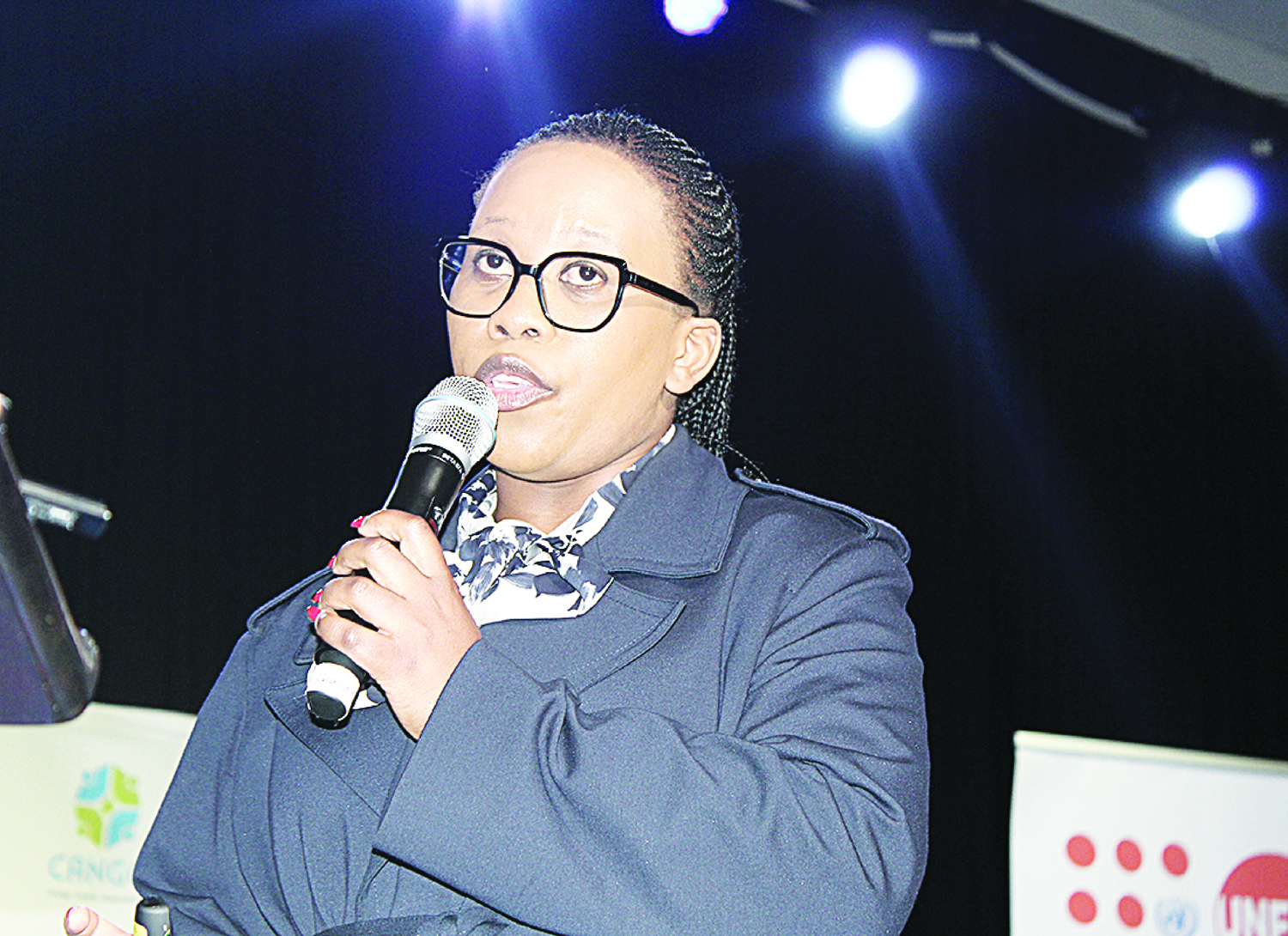
This was revealed by Director and Coordinator of the Gender and Family Issues Department in the Deputy Prime Minister’s Office Nomzamo Dlamini during discussions at the National GBV Indaba.
According to Dlamini, some cases of GBV stem from transactional relationships in which one partner provides transport money with the expectation that the other party will honour an agreed visit.
She explained that conflict often arises when the person who received the money fails to fulfil the arrangement, leading to emotional, verbal or physical abuse.
“In some instances, individuals provide transport money with the expectation that their partners will visit them. When this does not happen, disagreements emerge and, unfortunately, some people resort to violence as a way of retaliating,” she said. Dlamini stressed that while such disputes may trigger conflict, violence can never be justified.
She identified several other factors contributing to GBV, including intergenerational relationships, substance abuse, limited psychosocial support services, poor mental health awareness and the breakdown of family structures.
Dlamini said alcohol abuse remained a major concern, noting that some individuals consumed alcohol to gain confidence to confront personal issues, only for situations to escalate into violence. “Instead of resolving problems, alcohol often impairs judgment and increases the likelihood of violent behaviour,” she said. She also expressed concern over the weakening of family support systems, arguing that this leaves many people vulnerable to abuse and conflict.
Dlamini highlighted a number of challenges affecting GBV prevention and response efforts. Among them is the continued reliance on manual systems for the National Surveillance System on Violence, which often results in delays in data collection, reporting and information dissemination.
She also cited funding constraints as a major obstacle, saying limited resources continue to affect the implementation of GBV prevention and response programmes. Another challenge, she said, is the reduction in support from some development partners as global funding priorities shift.
Dlamini further pointed to limited public awareness of mental health issues and inadequate access to mental health services, factors she said contributed to unresolved trauma and behavioural challenges that can fuel violence. She called for increased investment in prevention programmes, survivor support services and community awareness initiatives.
Despite these challenges, Dlamini said collaboration between government, civil society organisations, traditional leaders and communities remains critical in addressing the root causes of GBV.
“Sustained partnerships and community involvement are essential if we are to build safer communities and effectively address gender-based violence,” she said.