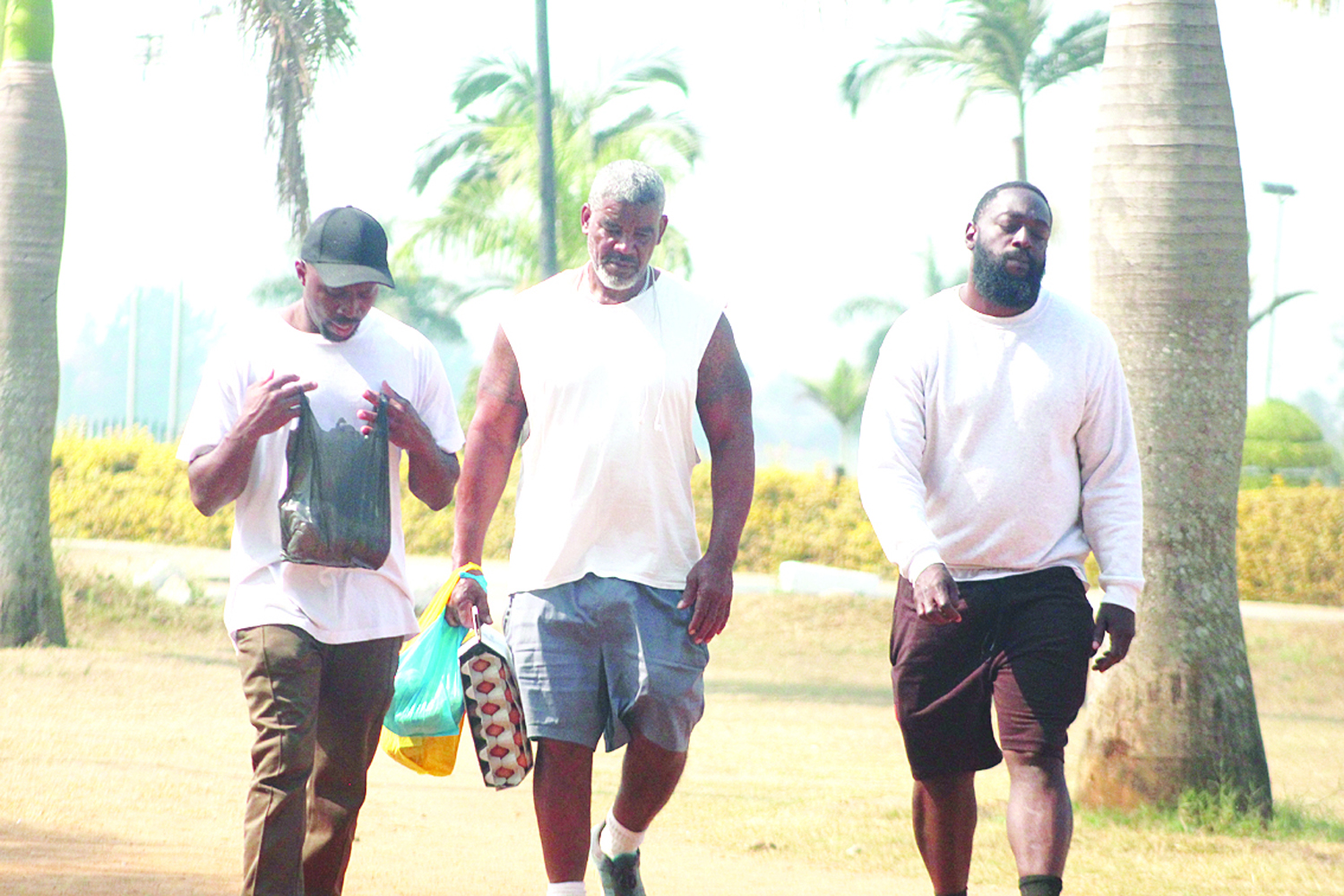
The third-country deportees from the United States (US), who are currently being accommodated at a local correctional facility in Matsapha, were on Friday spotted on a supervised shopping spree around the industrial town.
This was after this publication reported in recent months that they receive monthly allowances of E500 and are occasionally taken on supervised visits to town as confirmed by Minister of Justice and Constitutional Affairs Prince Simelane during his ministry’s first-quarter performance report debate in Parliament.
On Friday, the deportees were seen trekking to the nearby shopping complex and other nearby shops to buy essentials before walking back to the correctional facility’s premises.
His Majesty’s Correctional Services (HMCS) acting Public Relations Officer (PRO) Baphelele Kunene said they were not in a position to comment on the movements of the third-country deportees as theirs as an institution was to strictly provide accommodation for them. He said other issues pertaining to their stay and movements were dealt with by the ministry of foreign affairs and international cooperation.
However, Minister Simelane in a previous report when clarifying the status of third-country nationals deported from the US, insisted that they were not prisoners despite being accommodated at the correctional facilities, but were free to move around.
This was after Mbabane East Member of Parliament (MP) Welcome Dlamini had questioned whether the E5.1 million the country reportedly received under its third-country deportation arrangement with the US justified what he described as the potential risk to the safety of the nation.
Dlamini referred to the third-country deportation agreement between the kingdom and the United States, claiming that the agreement provided for the relocation of up to 160 deportees to this country.
He said the individuals had been publicly described as criminals and expressed concern over reports that they were receiving E500 allowances while also being allowed visits to town.
The legislator sought clarity on whether the E5.1 million was intended to cover all 160 deportees or the financial terms of the agreement would be renegotiated as more deportees arrived in the country.
He argued that if the reported E5.1 million represented the total payment for accommodating all 160 deportees, then the arrangement was not worth the perceived security risks.
Responding to the concerns, Minister Simelane rejected the assertion that the deportees should automatically be regarded as prisoners.
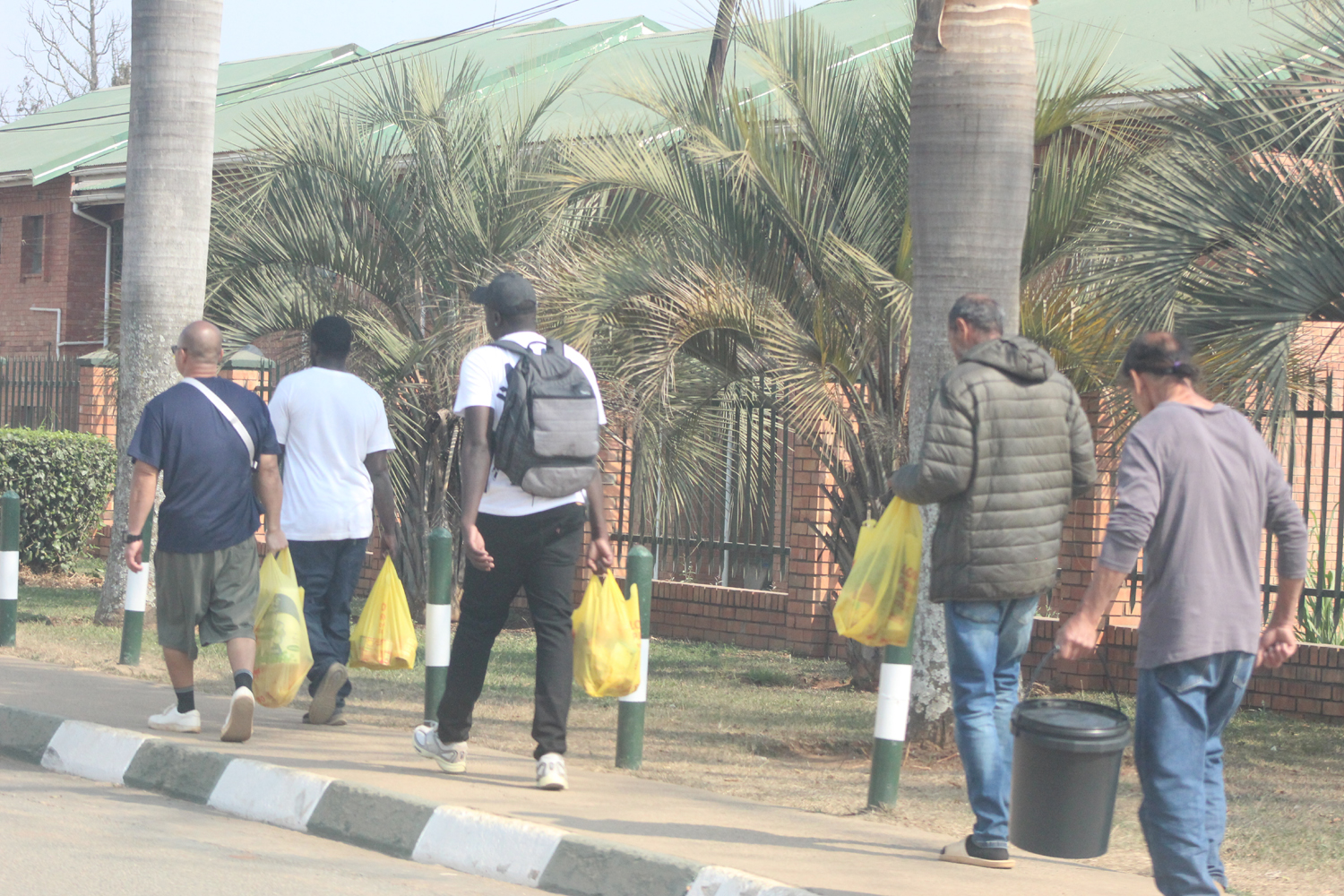
shopping spree around the industrial town on Friday.
He explained that the individuals had been transferred to this country because they were no longer required to remain in the US and were, therefore, not serving prison sentences in the kingdom.
Simelane explained that because they were not prisoners, the deportees were free to move around under the terms governing their stay in the country and there was no question of them ‘escaping’ from custody.
His response prompted further questions from legislators, with Ntondozi MP Peter Ngwenya seeking clarification on why the deportees were being housed at a correctional facility if they were not inmates.
“Can the minister explain why the deportees are at a correctional facility and not accommodated at a hotel if they are not prisoners?” Ngwenya asked.
In response, Simelane acknowledged that in other countries participating in third-country deportation arrangements, deportees were accommodated in hotels or other suitable facilities rather than prisons.
The minister’s remarks had come amid continued parliamentary scrutiny of the country’s agreement with the United States to receive the third-country deportees.
The arrangement has generated public debate since it became known, with critics questioning both the financial benefits to the country and the possible security implications of accommodating foreign nationals, who have been deported from the US.