




A proposal for the introduction of compulsory DNA testing at birth sparked debate during the second annual BuildHim Men’s Symposium, with participants arguing that such a law could help prevent some cases of intimate partner violence.
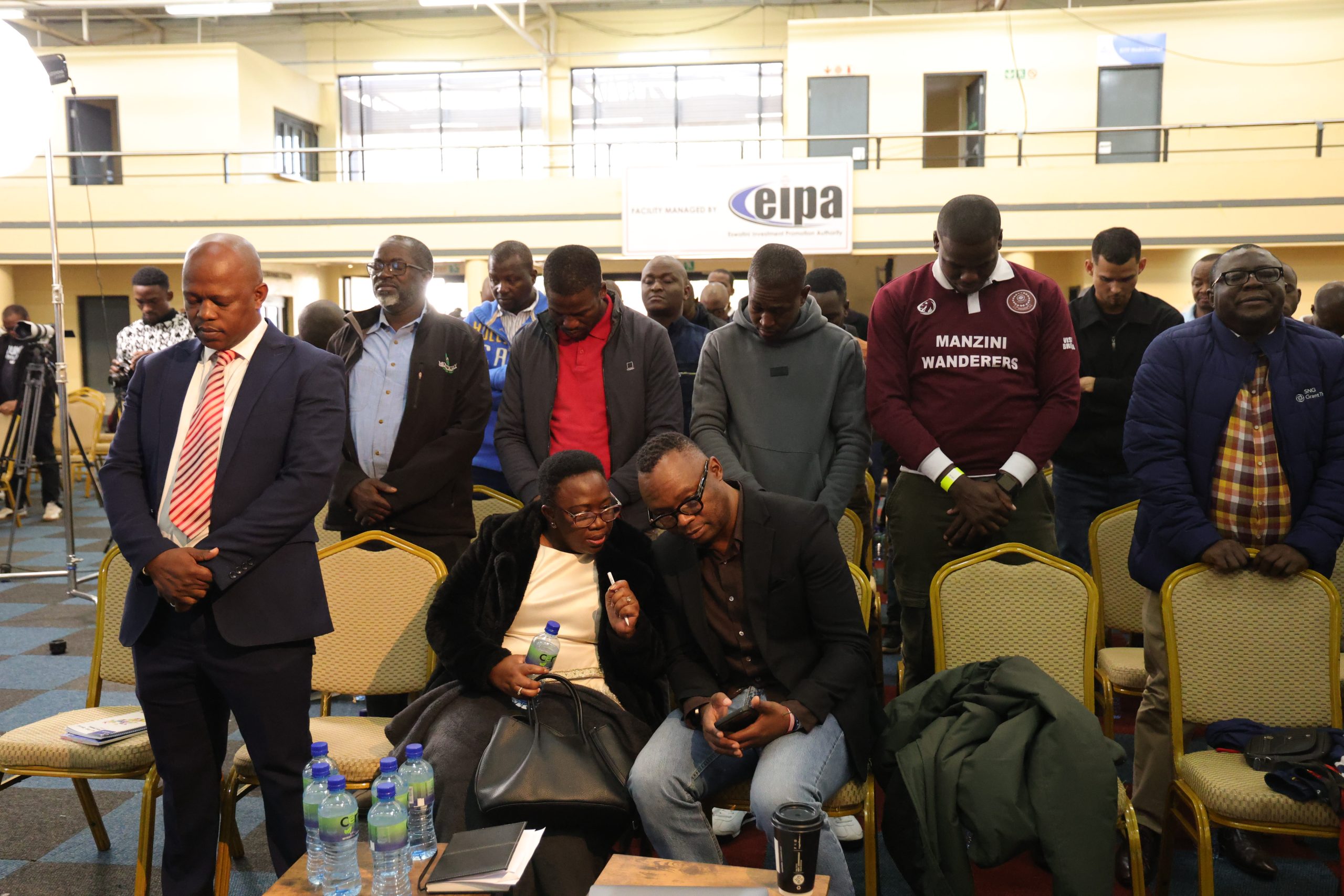
Organised by Semusa Networks under the theme ‘The Balanced Man: Mind, Body and Purpose,’ the symposium brought together men from various sectors for discussions on leadership, personal growth, healthy masculinity, mental health and overall well-being.
During an interactive question-and-answer session at Mavuso Exhibition and Trade Centre yesterday, one participant called on government to introduce mandatory paternity testing for all children born in the country’s hospitals.
He argued that some cases of violence against women were allegedly triggered after men discovered, years later, that children they had raised and financially supported for years were not their biological children.
According to the participant, such discoveries often came after men had invested significant emotional and financial resources in raising the children, leaving some unable to cope with the revelation and thus resorting to violence.
He suggested that introducing compulsory DNA testing at birth would eliminate uncertainty over paternity and could help reduce violent confrontations arising from such disputes.
Responding to the proposal, Sergeant Thobeka Mathunjwa said the matter required public debate and encouraged men who supported the idea to advocate for legislative reform through the appropriate channels.
“Men must continue raising their voices on this issue until it receives the attention of Parliament and lawmakers to consider enacting legislation requiring DNA testing at birth,” he said.
Mathunjwa stressed that his remarks should not be interpreted as condoning or justifying violence against women.
He said discovering years later that children one had raised with love, time and financial support were not biologically theirs could be deeply painful for some men, but emphasised that such circumstances should never be used as a justification for abuse or murder.
The discussion also turned to the issue of suspended sentences in rape cases. One participant questioned why some convicted rapists appeared to have their prison sentences suspended, citing recent cases in which two convicted offenders were reportedly released instead of serving custodial sentences.
He expressed concern that such offenders could return to their communities and pose a continued threat to women. In response, Mathunjwa acknowledged the frustrations surrounding the issue, saying officers were equally disheartened when convicted offenders did not serve prison terms after being convicted.
He said investigating rape cases required considerable time, expertise and financial resources, making it particularly discouraging when convicted offenders were released.
“It is painful to carry out lengthy investigations, gather evidence and secure a conviction, only to see the offender walking free,” he said.
Mathunjwa maintained that under the Sexual Offences and Domestic Violence (SODV) Act, sentences imposed for rape should not be suspended and convicted offenders were expected to serve their custodial sentences.
He urged the men to continue engaging policymakers on the issue if they believed there were concerns requiring legislative amendments or judicial attention.