Only four men have reported cases of domestic violence, while just one has reported being raped in the Manzini region since the beginning of the year, raising concerns that male victims continue to suffer in silence.
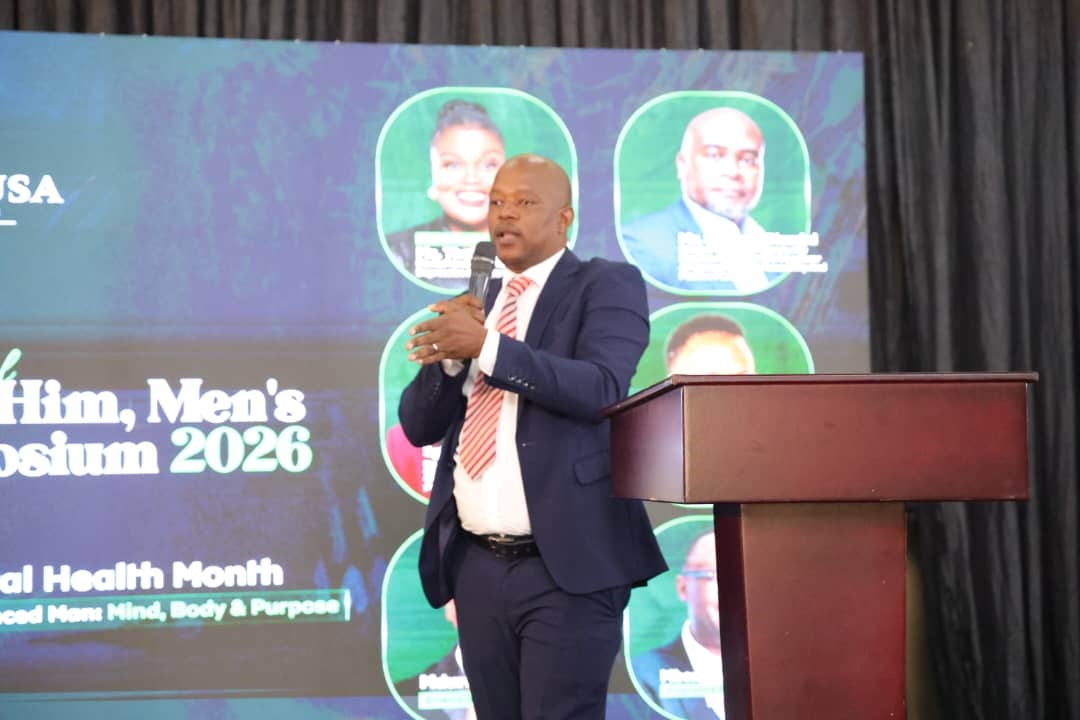
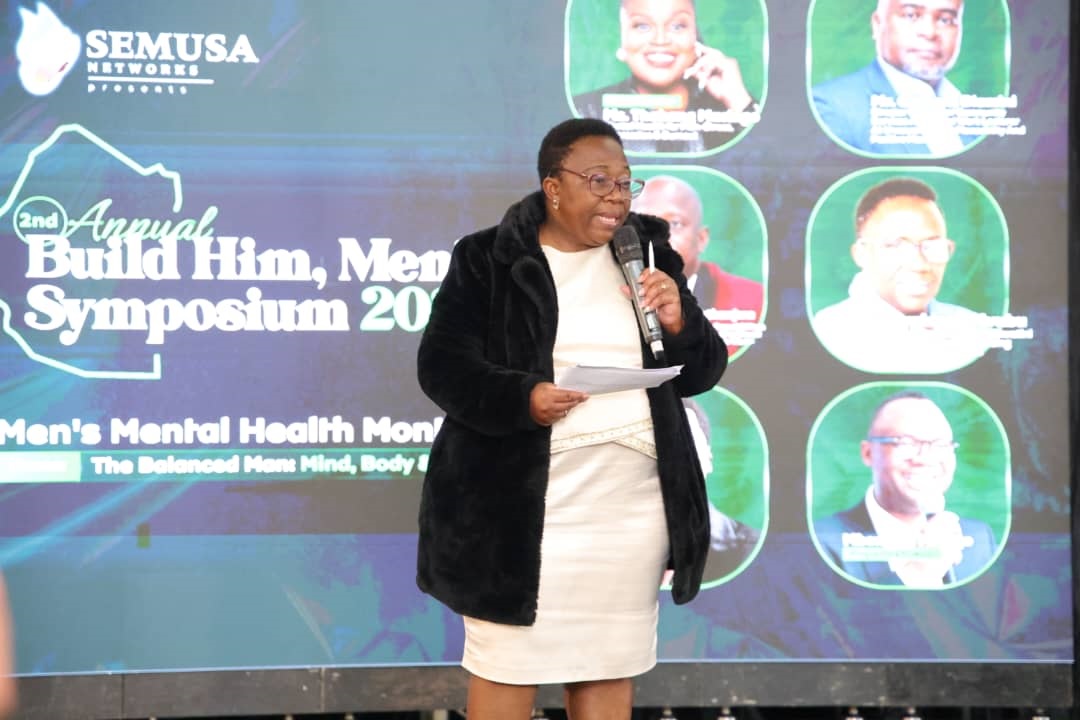
The figures were revealed by Sergeant Thobeka Mathunjwa from the Manzini Police Headquarters during the second annual Build Him Men’s Symposium, held on Friday at the Mavuso Exhibition and Trade Centre.
Organised by Semusa Networks under the theme ‘The Balanced Man: Mind, Body and Purpose,’ the symposium brought together men from various sectors for discussions on leadership, personal growth, healthy masculinity, mental health and overall well-being.
Presenting on ‘Understanding Sexual Offences and Domestic Violence in the Workplace’, Mathunjwa said many men who experienced abuse chose not to report it to the police.
He disclosed that only four men had opened domestic violence cases in Manzini this year, adding that the police officers had to persuade the survivors to formally report the incidents.
Mathunjwa further revealed that only one man had reported being raped by a woman in Manzini during the same period.
According to the police officer, many male victims suppress their emotions instead of seeking help, with some eventually expressing their frustration through violence. He encouraged men to report all forms of abuse, stressing that there was nothing shameful about seeking protection from the law.
“Abuse can happen to anyone regardless of gender. Men should not suffer in silence,” he said.
Mathunjwa also dismissed the misconception that the Sexual Offences and Domestic Violence (SODV) Act exists solely to protect women and children while targeting men.
He explained that the legislation protects every victim of abuse, irrespective of gender. The call for men to seek help was echoed by Centre for Community Services and Social Work and a lecturer at the University of Eswatini (UNESWA) Director Clement Dlamini, who spoke on Healthy Masculinity and Positive Manhood.
Dlamini said many good men remained silent because they feared being judged. “Many men do not like asking for help, yet seeking help is a sign of strength,” he said. He noted that many men conceal illnesses even from their wives and families until their health deteriorates, simply because they were reluctant to speak about their struggles.
Dlamini urged men to use their strength to protect, uplift and support others instead of resorting to violence. He also encouraged them to become more self-aware and assertive. “Many men define themselves by what they do rather than who they are. Your occupation or activities do not define your identity,” he said.
Turning to parenting, Dlamini challenged fathers to become more approachable and emotionally available to their children. He said many fathers unintentionally distanced themselves by always appearing serious, depriving their children of meaningful relationships with them.
“The first thing children want from their fathers is not money but connection,” he said. He encouraged fathers to spend quality time with their children, affirm them from an early age and openly acknowledge their strengths and potential.
“Before the world says things about your children, you should have spoken those words to them first,” he said. He further encouraged fathers to have regular conversations with their children about life, while supporting them to pursue careers and talents of their own choosing.
Dlamini also introduced what he called the six-second rule, urging men to pause for six seconds before reacting during emotionally charged situations.
“Ask yourself whether your response is appropriate and worth it before you act,” he advised. He further reminded fathers that children closely observed their behaviour and often imitate what they see at home.
Meanwhile, Sergeant Mathunjwa warned men against sexually harassing colleagues in the workplace through inappropriate touching or sexually suggestive remarks, saying such conduct constituted a criminal offence. He also cautioned against blaming women’s clothing for incidents of rape.
“A woman’s dress code does not cause rape. Everyone has the right to dress as they choose. Whether a person commits rape depends on their morals, not on how someone else is dressed,” he said.
Mathunjwa further warned men against engaging in sexual intercourse with intoxicated strangers they meet at entertainment venues. He explained that under the SODV Act, an intoxicated person cannot legally give consent to sexual activity. He added that buying alcohol for women with the intention of having sex with them after they become intoxicated could amount to a criminal offence.
Also addressing the symposium, Autism Eswatini Executive Director Tryphinah Mvubu called on fathers to play a more active role in raising children living with autism and other disabilities.
Presenting on ‘Breaking the Stigma: Raising Children with Special Needs’, Mvubu challenged men to provide unconditional love, care and support for their children with special needs, stressing that disability should never be viewed as a curse or a bad omen.
She said disability was a global reality affecting millions of people and urged fathers to reject stigma while embracing inclusion and acceptance.
According to Mvubu, every child deserves equal opportunities to thrive regardless of ability.Highlighting the global prevalence of disability, she said one in six people worldwide lives with a disability. She added that an estimated 50 million children globally are living with disabilities, while approximately 70 million people are on the autism spectrum.
Mvubu encouraged fathers to become champions of advocacy within their families and communities, saying their support could significantly improve the lives and futures of children with disabilities.