



The Eswatini Editors Forum has challenged the National Emergency Response Council on HIV and AIDS (NERCHA) to come up with new and creative ways of engaging communities in the fight against HIV and AIDS.
The call was made during the NERCHA-Eswatini Editors Forum quarterly meeting held at Emafini Country Lodge. The meeting brought together NERCHA officials, editors and representatives from different media houses to discuss ways of strengthening HIV prevention through responsible and impactful reporting.
The meeting was held under the theme, ‘Eswatini Values for Sustainable HIV Prevention: The Role of the Media.’ The engagement also focused on promoting positive social and cultural values that can support sustainable HIV prevention efforts in the country.
The meeting was attended by NERCHA National Executive Director Dr Nondumiso Ncube, NERCHA Director of HIV Response and Coordination Dr Bongani Masango, Eswatini Editors Forum Chairman and Eswatini Observer Acting Managing Director Mbongeni Mbingo as well as representatives from various media houses.
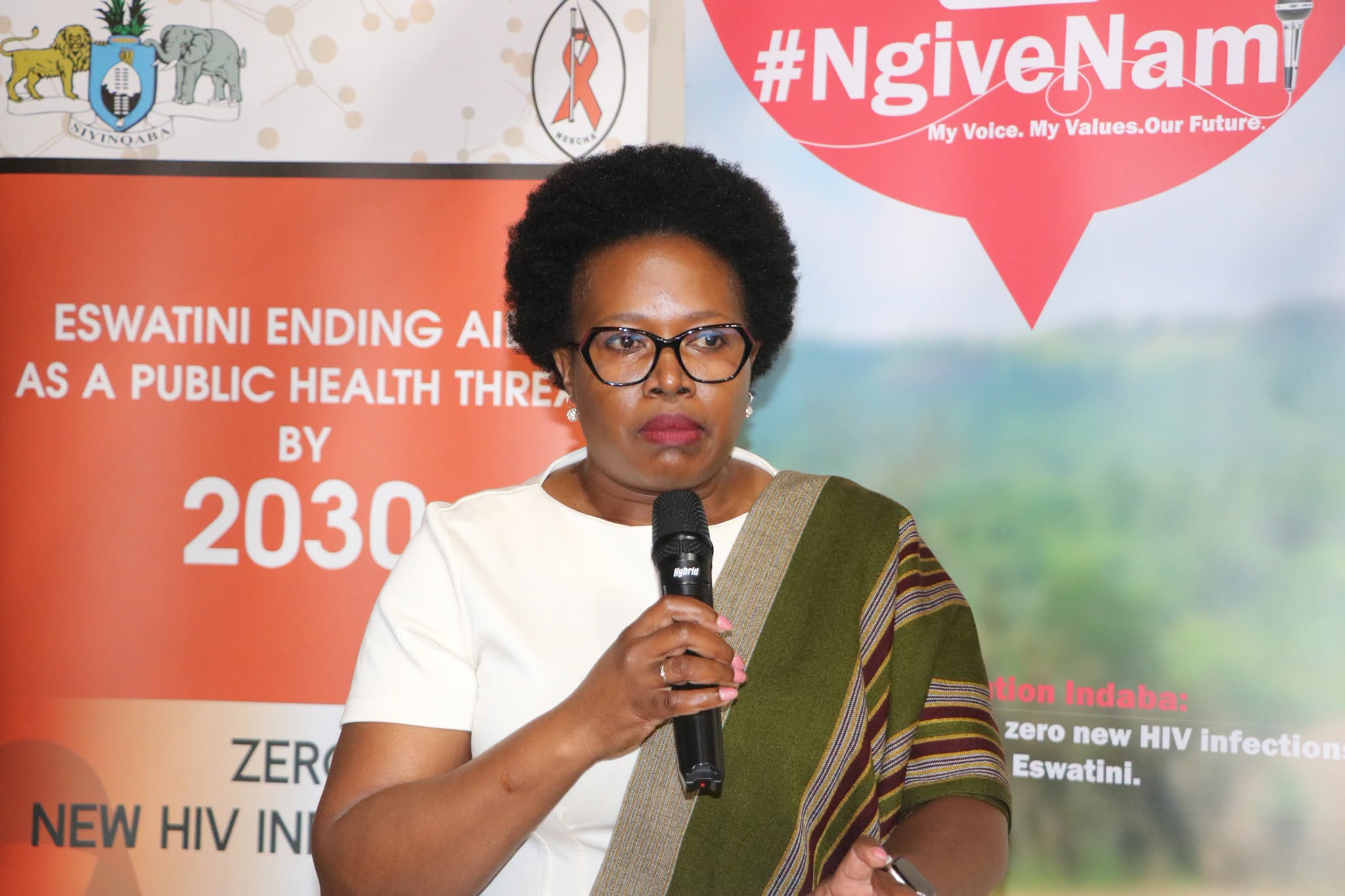
Mbingo challenged NERCHA to rethink how HIV prevention messages are delivered, especially to younger people.
He said it appeared that the country had been hearing the same HIV messages for many years, while the people being targeted had changed.
“May I ask if the study is not a copy and paste? Younger people have said there must be new engagements for the current generation because it seems everyone is now used to the old information about HIV,” Mbingo said.
He said there was a need for NERCHA to introduce new approaches that could change the way communities think about HIV and AIDS.
Mbingo also called for a stronger partnership between NERCHA and the media, saying media organisations should not only be brought in when there was a message that needed to be published.
He said the media should be involved from the beginning of research and the development of HIV messages.
“The media must be involved for more than just to pass on the message. We should be part of the emerging message. We should access that data and interrogate this data. We should be part of the research,” he said.
Mbingo said this would allow journalists and editors to understand the research better and develop stories that could connect with communities.
He further argued that organisations could no longer depend only on their own websites and social media platforms to communicate important information.
Mbingo said the media remained an important vehicle for reaching people and creating a sustained public narrative around HIV prevention.
Meanwhile, Channel Yemaswati Chief Editor Khanyisile Mabuza supported the call for new strategies, saying many people no longer feared HIV as they did in the past.
Mabuza challenged NERCHA to identify HIV champions who could speak openly and regularly about the disease.
“There have to be strategies to tackle the HIV fight because people are no longer scared of HIV,” she said.
She said new voices could help make HIV prevention relevant to the current generation and encourage people to take the issue seriously.
Responding to the concerns raised by the editors, Dr Masango said the latest study was not a copy-and-paste exercise.
He said NERCHA had gone into communities and engaged different groups of people to understand the challenges they were facing.
“We went to the people and spoke to them. This is a whole different study where we were informed about the issues and asked questions from the people on why it was happening,” Masango said.
He said NERCHA also needed to ensure that prevention programmes did not only focus on people living with HIV, but also on those who were HIV-negative, so that they could remain uninfected.
The discussions highlighted the need for NERCHA and the media to work more closely in developing fresh, evidence-based and relevant HIV prevention messages.
Include Middle Class in HIV Study – Bheki Makhubu
NERCHA has been urged to include the middle class in its HIV prevention studies, as they could also be contributing to the rising number of new infections in the country.
The Nation Magazine Editor Bheki Makhubu said the recent HIV Prevention Indaba study appeared to have focused mainly on lower-income and vulnerable groups, while leaving out the middle class. The study was conducted across all four regions of the country between November 2025 and February 2026. It used structured interviews targeting groups such as pupils, transport operators, tertiary students, textile workers, people with disabilities and women aged between 25 and 34 years.
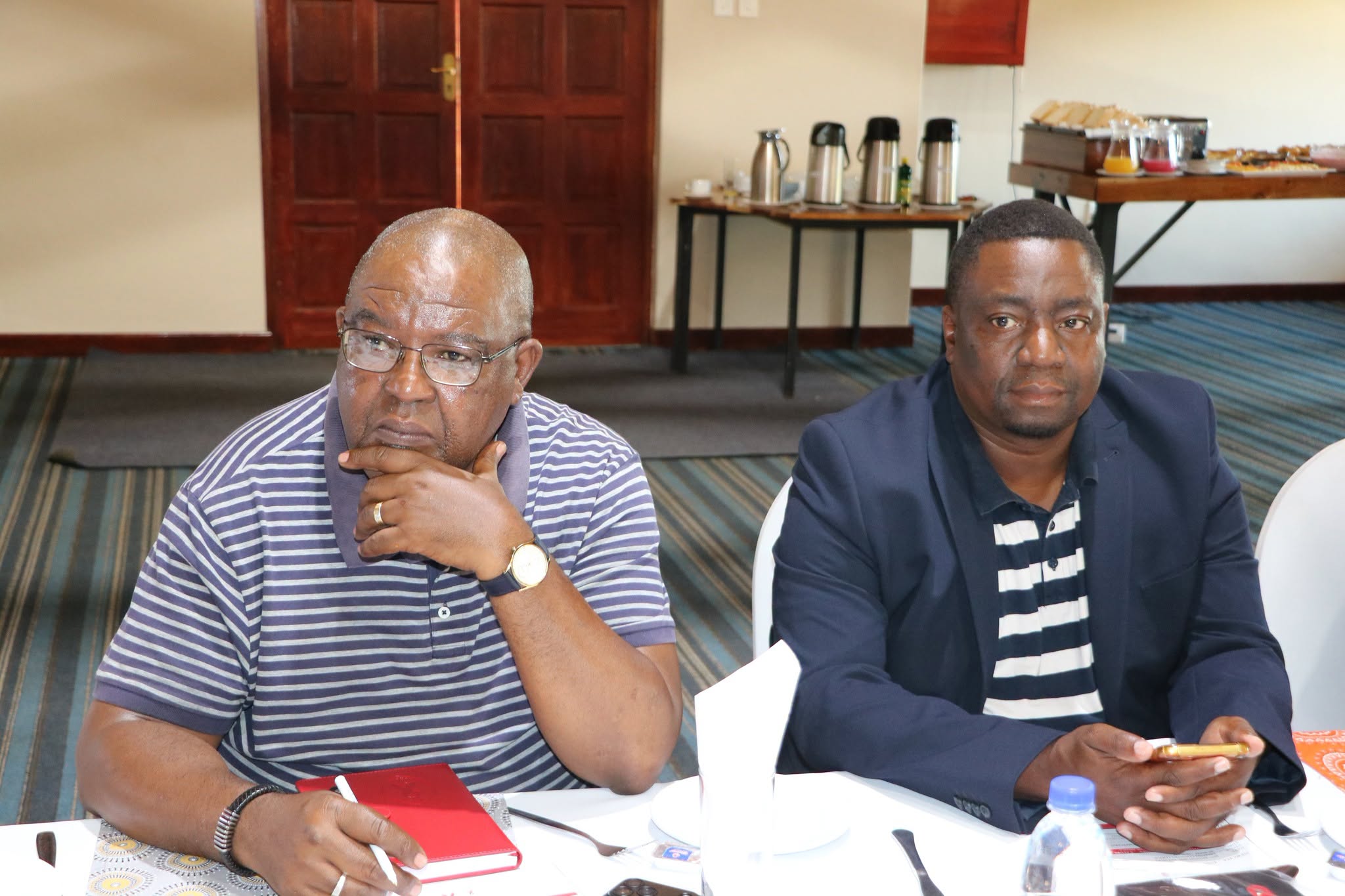
Makhubu said the middle class should also be part of such research because HIV affects people across all levels of society.
“NERCHA used to spend a lot of money, and you are no longer using the media to speak about HIV. Close the gap and keep talking. Include the middle class in the study because it seems as if you only targeted the lower class,” he said.
Locals No Longer Use Condoms
The country is facing challenges in HIV prevention as new infections remain a concern despite the availability of condoms, pre-exposure prophylaxis (PrEP), HIV testing and effective treatment.
NERCHA Director for HIV Response and Coordination Dr Bongani Masango says condom use is declining among citizens, despite the continued distribution of condoms as part of HIV prevention efforts.
Masango said some people were no longer using condoms for their intended purpose, with some instead finding alternative uses for them.
“It’s funny because they now use condoms to tie soccer socks, while some use them for massage because of the lubrication,” Masango said.
He said the country was still recording about 4 000 new HIV infections annually, with an HIV incidence rate of approximately 0.62%.
He said the figures showed that achieving high treatment coverage alone would not end the HIV epidemic, because the treatment cascade primarily focuses on people who are already living with HIV.
“We are saying those who are getting infected, at least we are making sure that we are testing them, putting them on treatment,” Masango explained during his presentation.
He said the continued occurrence of new infections raised questions about what was happening within communities and why existing prevention interventions were not producing the desired results.
11 359 Begin PrEP
Eswatini’s HIV prevention campaign is gaining fresh momentum with 11 359 people initiating pre-exposure prophylaxis (PrEP) between January and March 2026.
The figure, the highest quarterly total recorded over the five quarters reviewed, represents a 37% increase from the 8 266 people who started PrEP during the same period in 2025.
The sharp rise points to growing demand for HIV prevention options as the country expands access to long-acting medicines. The figures were presented by Director of HIV Response and Coordination Dr Bongani Masango, who stated that PrEP does not prevent sexually transmitted infections (STIs) and urged citizens to be cautious because PrEP only prevents HIV.
Of particular interest is the rapid uptake of injectable PrEP, especially lenacapavir (LEN). Lenacapavir, which only began appearing in national figures in the October to December 2025 quarter, recorded 213 initiations at the time. By the first quarter of 2026, that number had climbed dramatically to 2 881.
Cabotegravir (CAB) has also recorded strong growth, increasing from 828 initiations in the first quarter of 2025 to 2 022 during the corresponding quarter this year. Although daily oral PrEP remains the most widely used option in absolute numbers, its share of total initiations is declining as more people turn to injectable alternatives.
The country currently offers four PrEP choices: daily oral pills, monthly injectable cabotegravir, twice-yearly injectable lenacapavir and the monthly dapivirine vaginal ring for women.
The development comes as the country also records a major decline in HIV-related deaths, now estimated at about 3 000, representing a reduction of more than 50% across all age groups.
The latest figures suggest that the country’s HIV response is increasingly shifting towards prevention choices that offer convenience, flexibility and greater control to those seeking protection.